Congress holds fewer hearings and ignores thousands of cost-saving recommendations from GAO and OIGs, leaving waste unchecked and fueling public cynicism about government efficiency.
Justice Samuel Alito’s delayed 2025 disclosure reported no new gifts but listed an active stock portfolio and book deal income, following extensions that drew accusations of evasion amid flag and trip scandals.
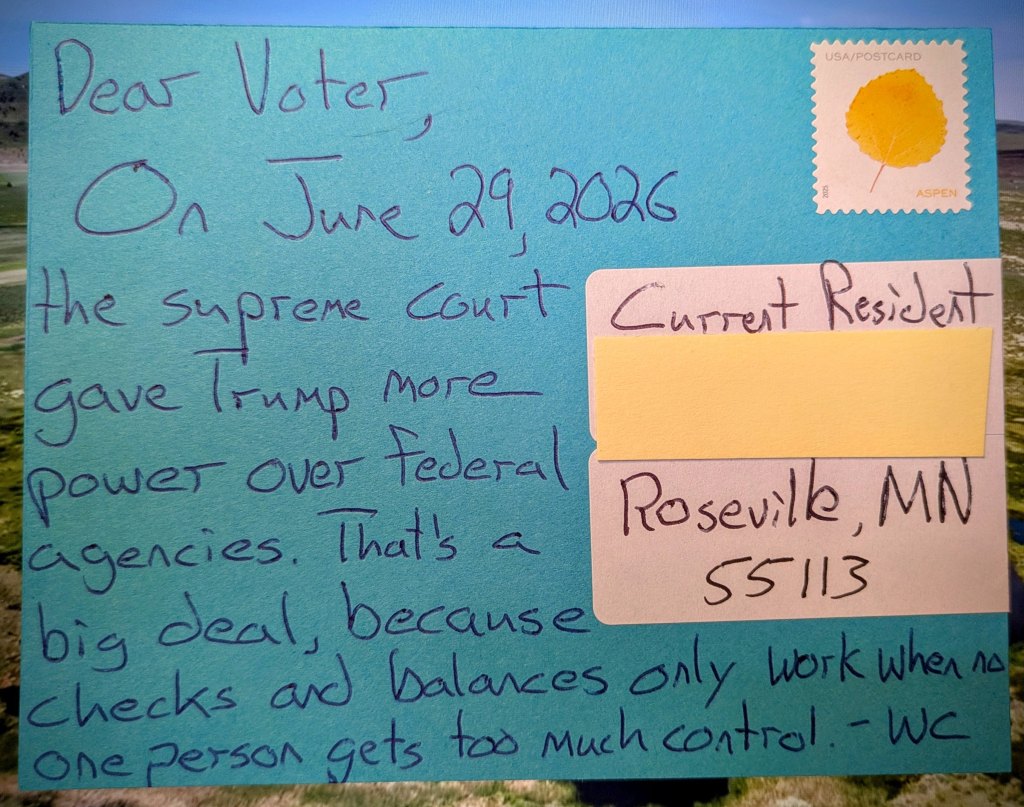
Trump is tightening his grip on the federal government by making it easier to fire and replace career civil servants in policy jobs, weakening traditional job protections, and sidelining internal watchdogs that protect workers from political retaliation. At the same time, he has issued orders that pull supposedly independent agencies—like the FTC, SEC, FCC, and key financial regulators—under closer White House control, forcing them to align their budgets, regulations, and legal interpretations with presidential priorities instead of acting at arm’s length. Together, these changes shift power away from neutral experts and semi‑independent commissions and concentrate it in the presidency, reducing long‑standing checks on how any one president can use the machinery of the federal government.
The Department of Homeland Security, under Secretary Kristi Noem reinstated a 7-day notice requirement for lawmakers visiting ICE detention centers, defying court orders via funding workarounds and citing security needs over unannounced inspections.
Trump and his advisers have pursued a multi-pronged strategy to strip protections from experienced career officials and create conditions where loyalists can be hired or promoted in their place, largely by reclassifying tens of thousands of civil servants as “at‑will” political-adjacent employees and driving out existing staff at scale.
Trump and his allies have repeatedly pressured DOJ to act as an instrument of “retribution” against critics, while claiming they are merely “ending weaponization” from the prior administration. DOJ leadership under Attorney General Pam Bondi has removed or sidelined career officials from politically sensitive cases and replaced some with openly pro‑Trump loyalists, including at least one January 6 rioter, prompting warnings from Senate Judiciary Chair Dick Durbin that DOJ is being turned into the president’s “personal police force.”
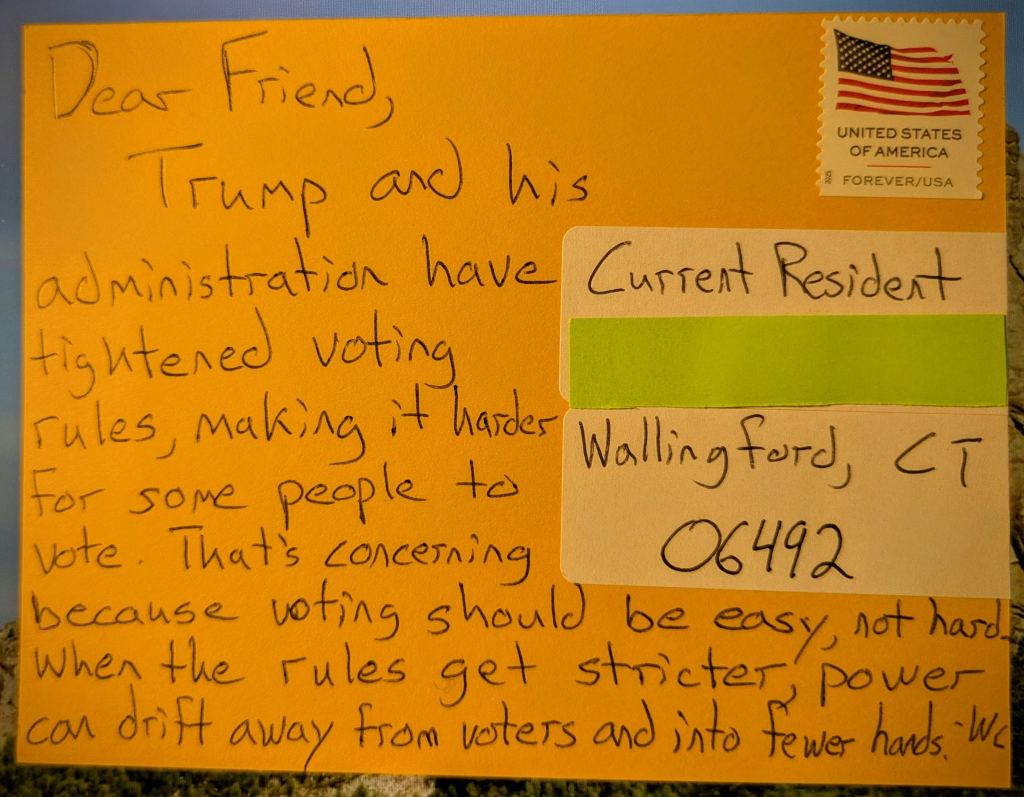
Trump has backed and encouraged a broad set of efforts that would tighten voting rules, particularly around mail voting, voter ID, proof of citizenship, and voter-roll purges, which civil-rights groups and many election experts say would disproportionately burden young, poor, disabled, and nonwhite voters.
U.S. officials have acknowledged that the administration did not notify or seek authorization from Congress before the strikes, explicitly bypassing standard consultation and the War Powers Resolution framework. Congressional leaders from both parties have since argued that this went beyond the president’s unilateral authority because the operation was not limited, defensive, or time‑bound, but rather a major offensive use of force aimed at regime change and occupation‑like control.
In 2026, a new rule will change the classification of about 50,000 workers, removing their appeal protections and making it easier to fire them. Unions have criticized this move as a return to political favoritism, and several groups are challenging the rule, leading to job insecurity and pressure to comply.
Trump has finalized a new federal personnel rule that makes it much easier for his administration to reclassify and fire tens of thousands of career civil servants involved in policymaking, in ways critics say are designed to purge or intimidate employees who are seen as resisting his agenda.