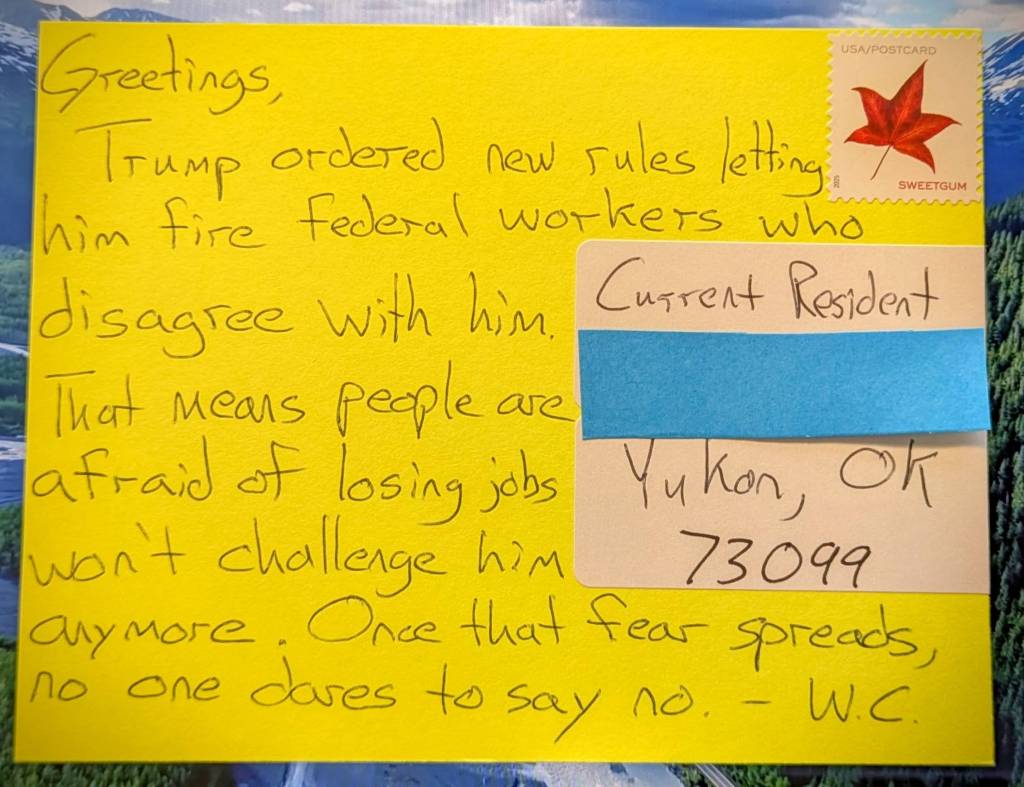
Trump has finalized a new federal personnel rule that makes it much easier for his administration to reclassify and fire tens of thousands of career civil servants involved in policymaking, in ways critics say are designed to purge or intimidate employees who are seen as resisting his agenda.
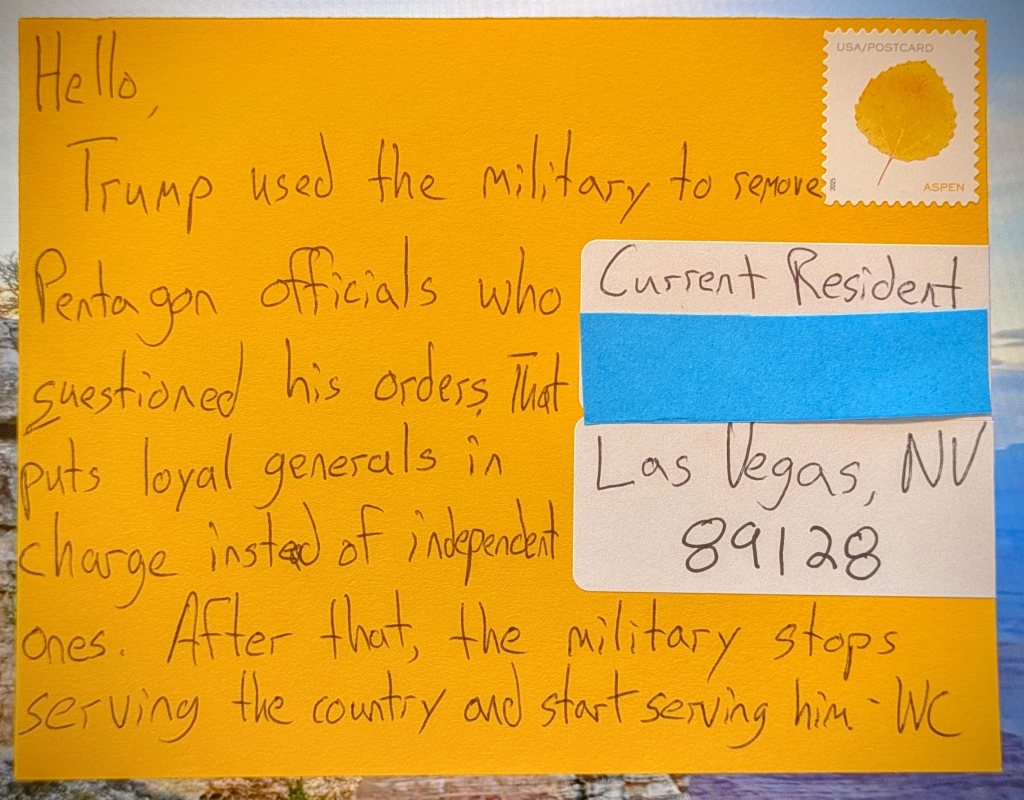
The Trump administration has been aggressively firing, sidelining, or targeting both senior military leaders and retired officers seen as disloyal, which experts warn is eroding the norm of an apolitical military and pressuring the chain of command to follow any order he labels “lawful.”
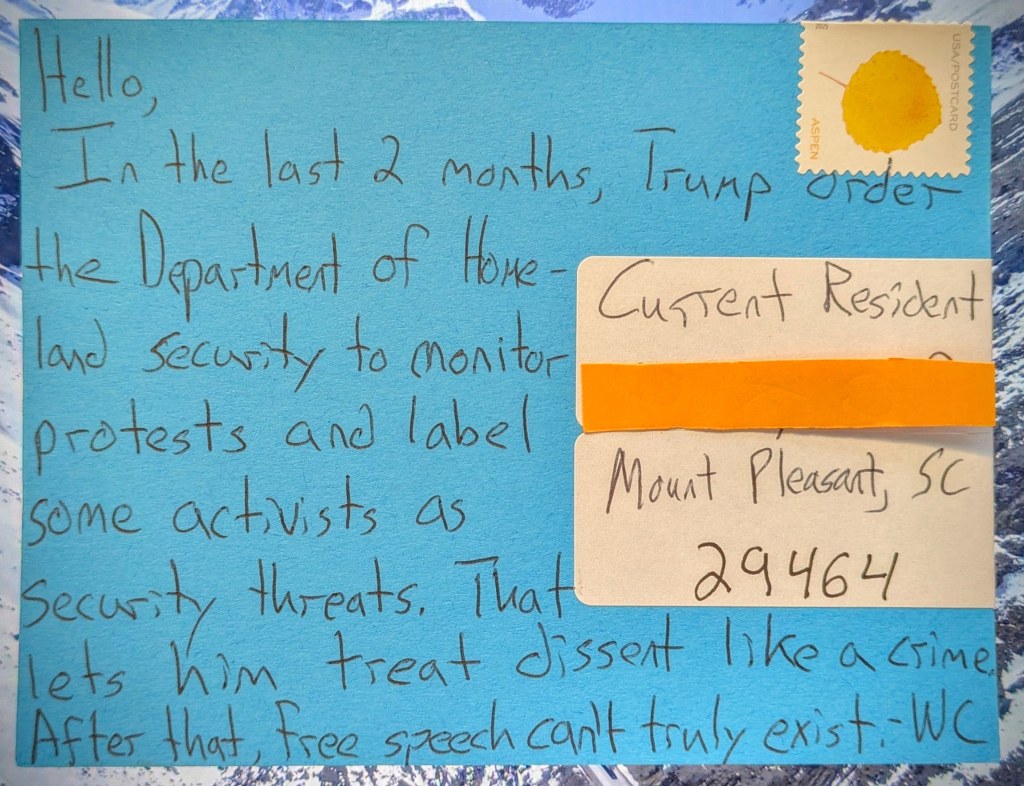
The Trump administration is rapidly expanding surveillance powers and “domestic extremism” frameworks in ways that civil liberties groups warn can be used against protest movements and left‑leaning organizers.
In a December 2025 prime-time White House address, Trump pinned persistent inflation and high costs on Joe Biden and Democrats, claiming they caused a 48-year high in prices while ignoring data showing grocery items rising under his own tariffs and policies.
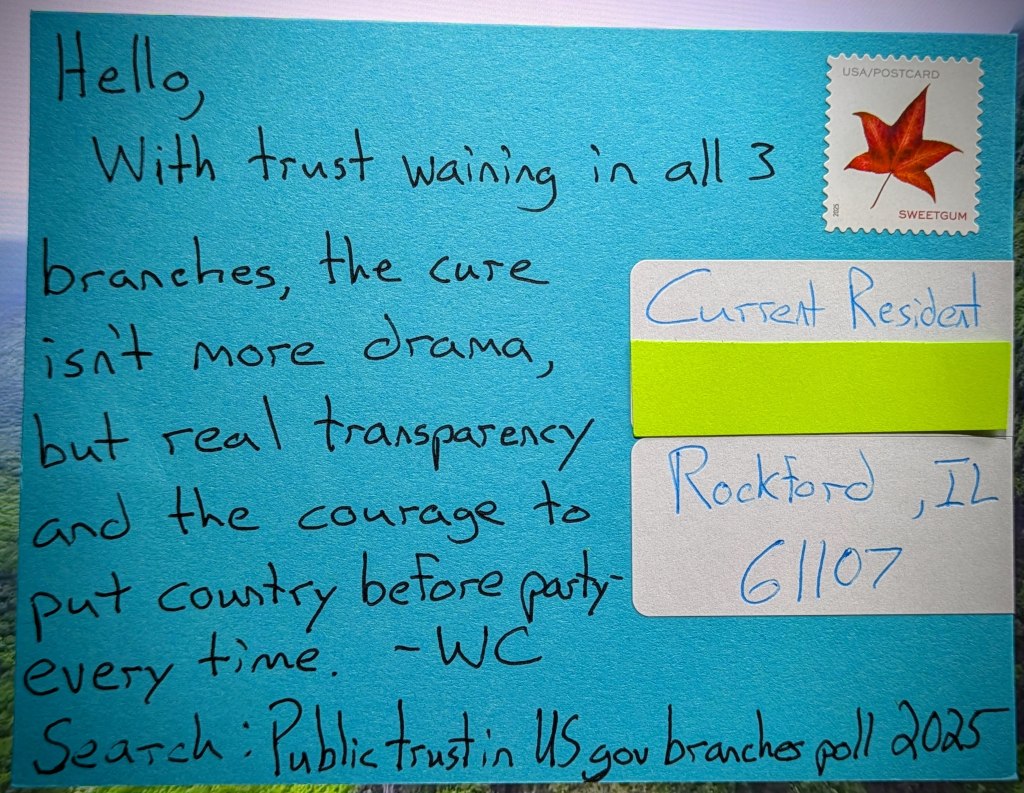
A January 2026 summary of Gallup-style data reports public trust in the federal government “at one of its lowest points,” underscoring that disillusionment has persisted into the new year.
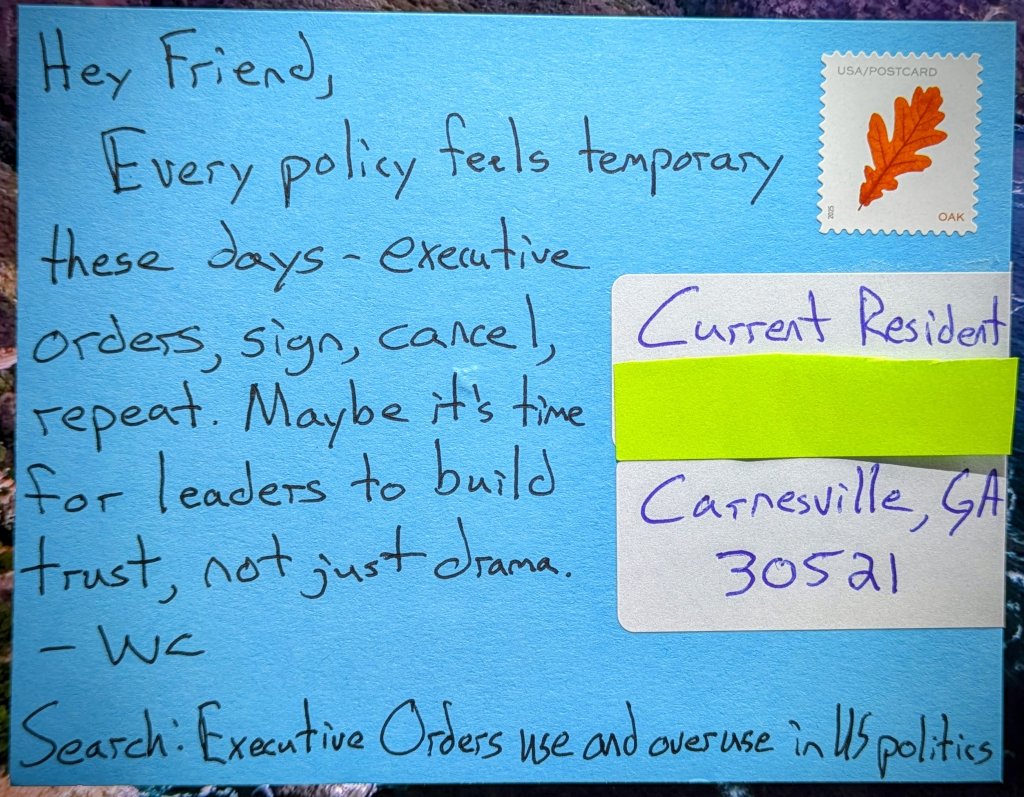
President Trump has used executive orders a lot—more than 210 times this year alone. Executive orders are shortcuts a president uses to make rules or direct government agencies without needing Congress to pass a law. While these can be helpful for quick action, the problem is overuse. Too many executive orders can lead to confusion, because they can be changed just as fast by the next president, and often bypass the normal checks and balances that Congress provides. This creates uncertainty for government workers, businesses, and everyday people who need stable rules to plan their lives.
In Georgia, this heavy use of executive orders is felt in daily life. For example, orders have changed things like how schools handle physical education, tariffs on imported goods, and healthcare drug pricing. These quick changes can disrupt local programs and services because Georgia’s schools, businesses, and health clinics have to adjust rapidly and often with little warning. For everyday Georgians, that means they may face confusion about what government programs are available, how to access them, or what new rules they must follow. It also means less chance for public debate and input on important decisions. While executive orders let the president act fast, relying on them too much can make people feel like their voices don’t matter and that government rules shift too quickly to trust.
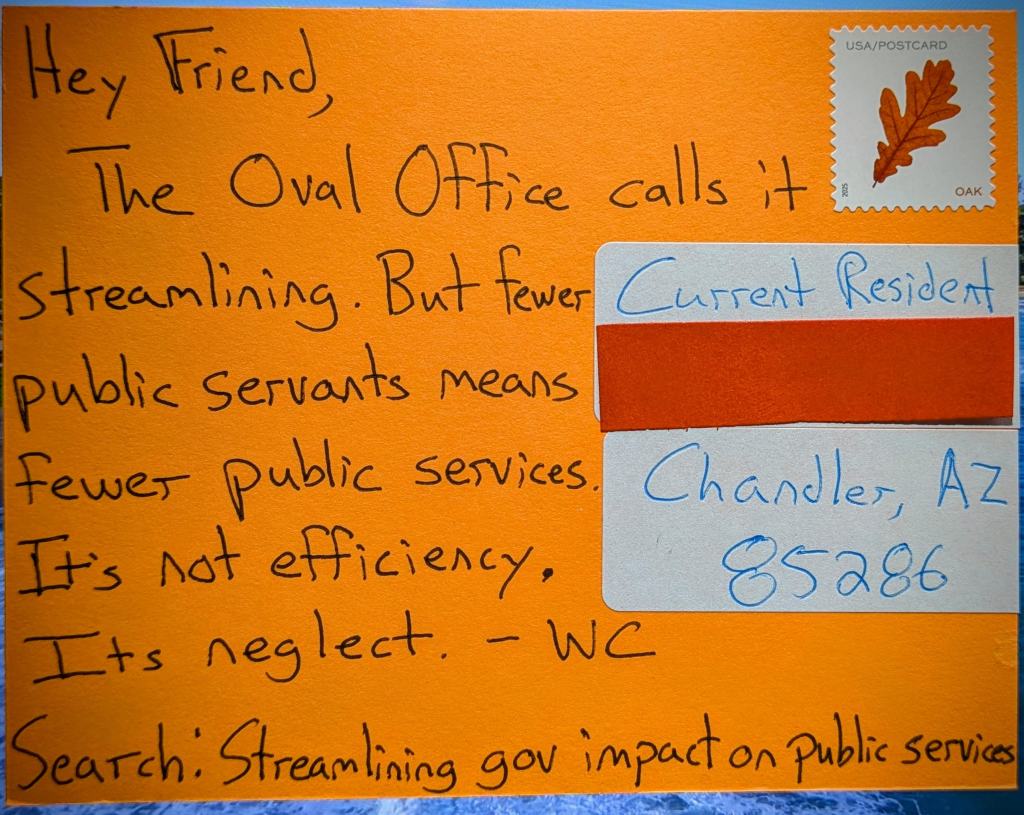
Trump’s “streamlining” of government services mainly means cutting back on federal programs, staff, and offices to make things run cheaper and faster—but for the people who rely on these services, that often means getting less help when they need it most. Trump’s administration directed agencies to shed thousands of federal jobs, shut down regional offices, freeze new hirings, and eliminate programs it called “unnecessary”. Rules were changed so that only one new person was hired for every four who left, and agencies were told to automate tasks and use fewer outside contractors. The White House claimed the government would stay “efficient,” but many watchdogs and public service unions warned that basic help for Americans—like help with healthcare, job training, or disaster relief—was harder to get and slower than before.
In Arizona, these cutbacks hit home in a bunch of ways. Local offices of agencies like Social Security, veterans’ services, and child care support were consolidated or closed, forcing Arizonans to drive hundreds of miles or spend hours online just to get help. Programs that helped poor families with Head Start preschool, Medicaid, and housing assistance were either shrunk, rolled into new “work requirements” that knocked people off the rolls, or eliminated outright. Arizona’s border communities, including cities like Tucson and Nogales, now see more confusion and longer waits for things like disaster recovery after storms or access to government health clinics. Teachers and social workers in Phoenix say the paperwork load got heavier after the federal government dumped tough jobs onto state agencies without enough money or clear rules to handle the surge. So, what’s called “streamlining” often means everyday folks in Arizona get caught in longer lines, face higher costs, and have to work harder just to get their basic needs met by a government that says it’s focusing on efficiency.
President Trump’s government has been marked by major policy confusion—a jumble of rapid rule changes, mixed messages, and sudden reversals that leave many Americans scratching their heads. For example, Trump often says he’s not connected to the “Project 2025” blueprint written by his own political allies, yet many of his executive orders line up almost word-for-word with its recommendations. This includes shutting down the Department of Education, banning all government diversity programs, freezing the hiring of federal workers, and pulling the U.S. out of international health organizations. Policies sometimes change direction in a matter of weeks, like when attempts to erase all mentions of race, gender, or abortion from regulations caused a public outcry—and later, the government had to walk some changes back. This chaotic style produces confusion not just in Washington, but in schools, hospitals, and local agencies across the country, making it hard for anyone to know what rules or benefits actually apply.
For everyday people in South Carolina, Trump’s policy confusion brings real stress and uncertainty. Public education has been hit hard—more than $4 billion in federal funds for schools was blocked or slashed, forcing local districts in cities like Charleston and Columbia to scramble for money just to keep classrooms open. Teachers and parents in South Carolina struggle to understand if programs for low-income kids, students with disabilities, or college funding will be restored or lost for good. Meanwhile, medical clinics and hospitals face shifting rules about which treatments are paid for and who is allowed to work there, often depending on rapidly changing federal orders. This constant policy whiplash means that South Carolinians—especially families, seniors, and disabled people—regularly face sudden changes in their benefits, education, and healthcare, leaving them less able to plan for the future or feel secure in the promises made by their government.
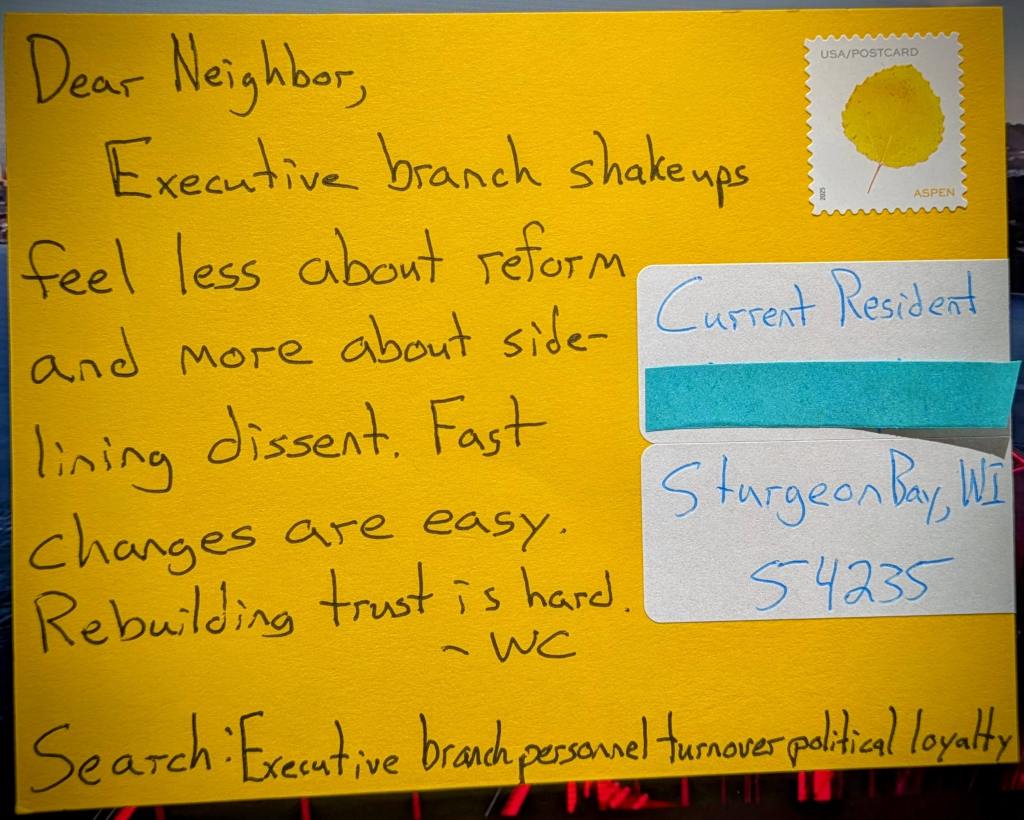
The executive branch under President Trump has experienced a very high turnover rate, with many officials being replaced due to a strong emphasis on political loyalty rather than experience or competence. This has led to instability and frequent disruptions within key federal agencies as trusted career officials are pushed out and replaced with loyalists or acting appointees who may lack Senate confirmation or relevant expertise. Such personnel changes slow down government operations and impair the consistent enforcement of policies affecting everyday Americans. The high turnover also adds to uncertainty and decreased efficiency, especially in critical areas like health, taxation, and economic regulation—services that regular people rely on.
For residents of Wisconsin, this turnover and focus on political loyalty can have real consequences. Wisconsin depends on federal agencies for healthcare programs, agricultural support, and labor protections that impact both urban and rural communities. When agency leadership changes frequently or is filled by politically motivated staff, enforcement of programs can become inconsistent or biased, causing confusion and uneven access to resources. This instability may lead to gaps in services, delayed benefits, or less effective responses to local needs, whether in healthcare access, worker protections, or economic development. For average Wisconsinites trying to navigate public programs, these disruptions create frustrations and a sense that government is less responsive and more controlled by politics than by public service.











 T W I W C