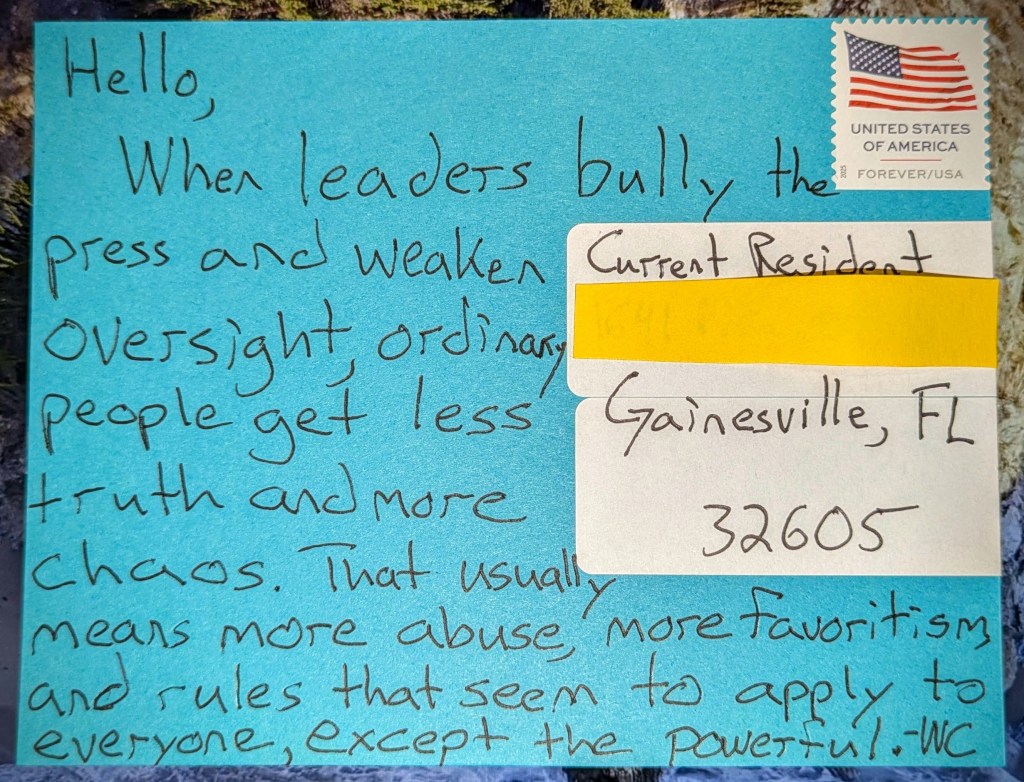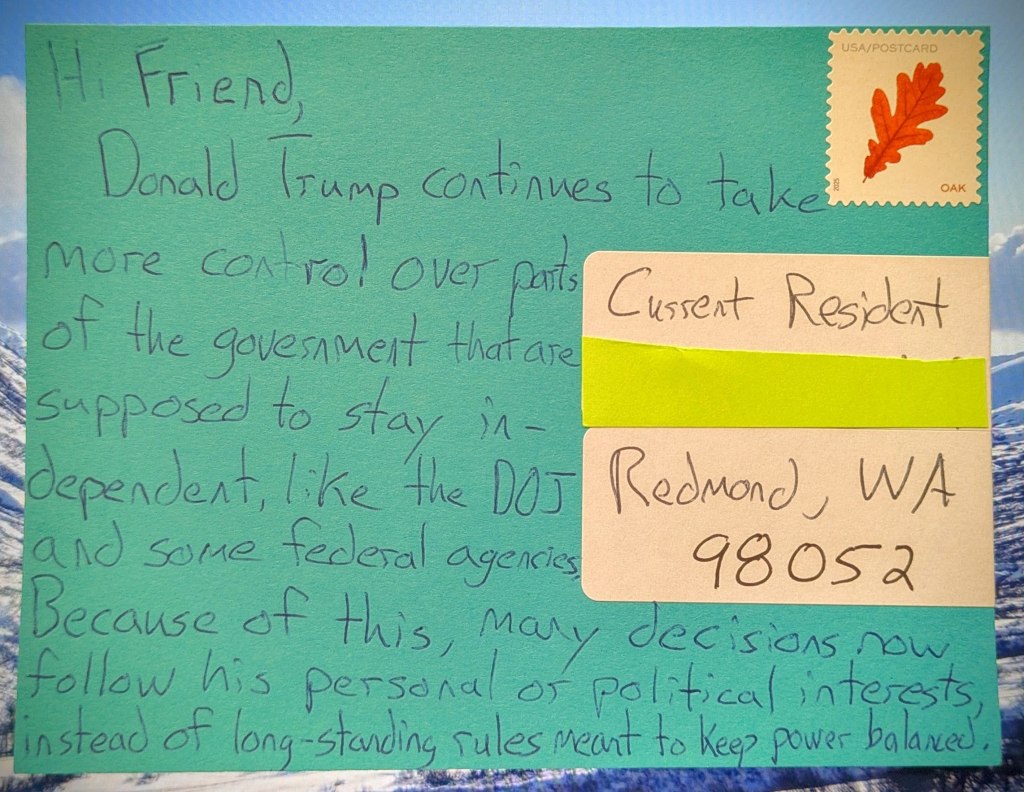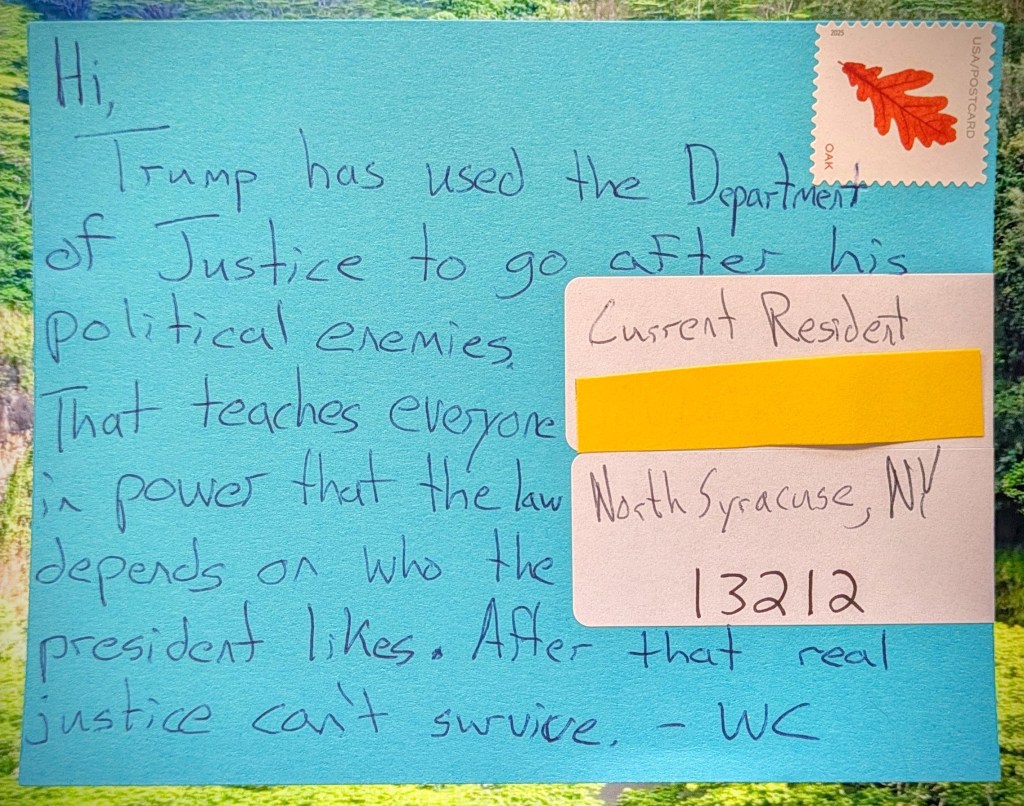
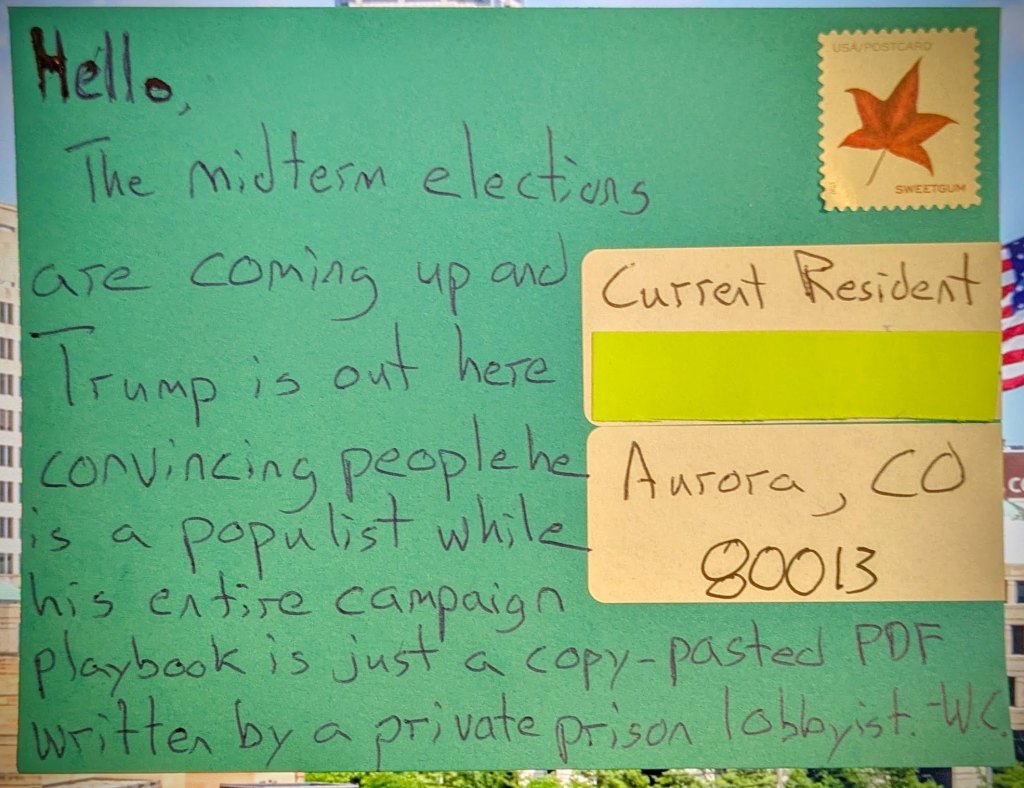
Trump and his allies have repeatedly pressured DOJ to act as an instrument of “retribution” against critics, while claiming they are merely “ending weaponization” from the prior administration. DOJ leadership under Attorney General Pam Bondi has removed or sidelined career officials from politically sensitive cases and replaced some with openly pro‑Trump loyalists, including at least one January 6 rioter, prompting warnings from Senate Judiciary Chair Dick Durbin that DOJ is being turned into the president’s “personal police force.”
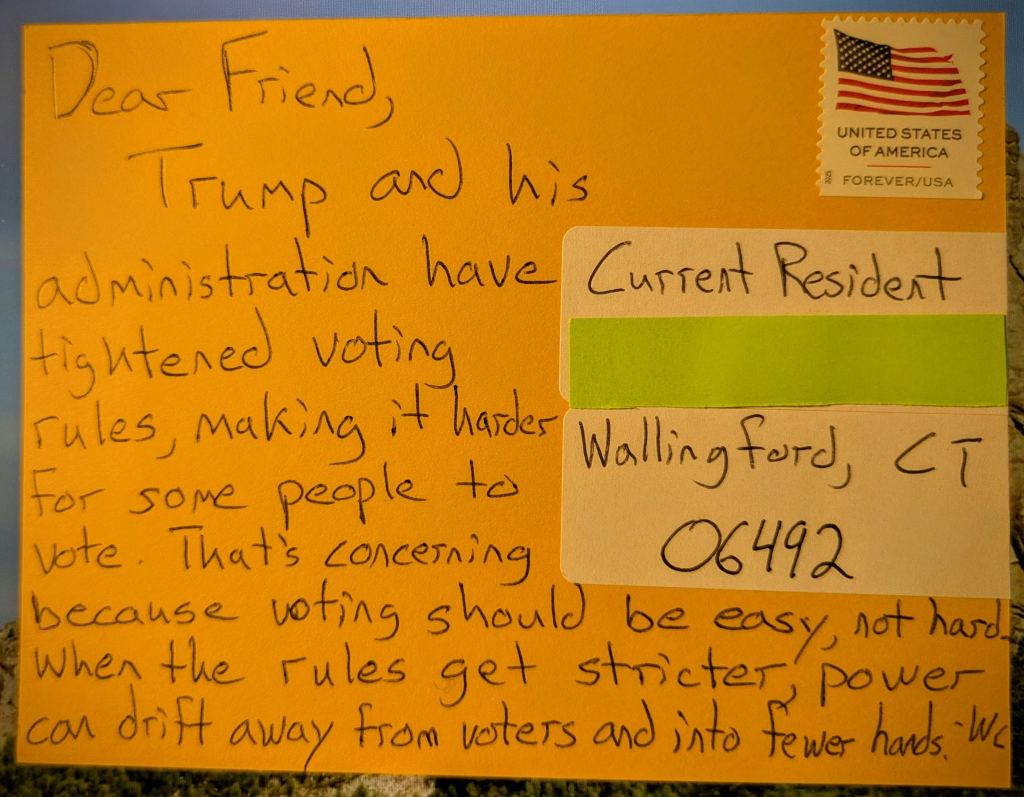
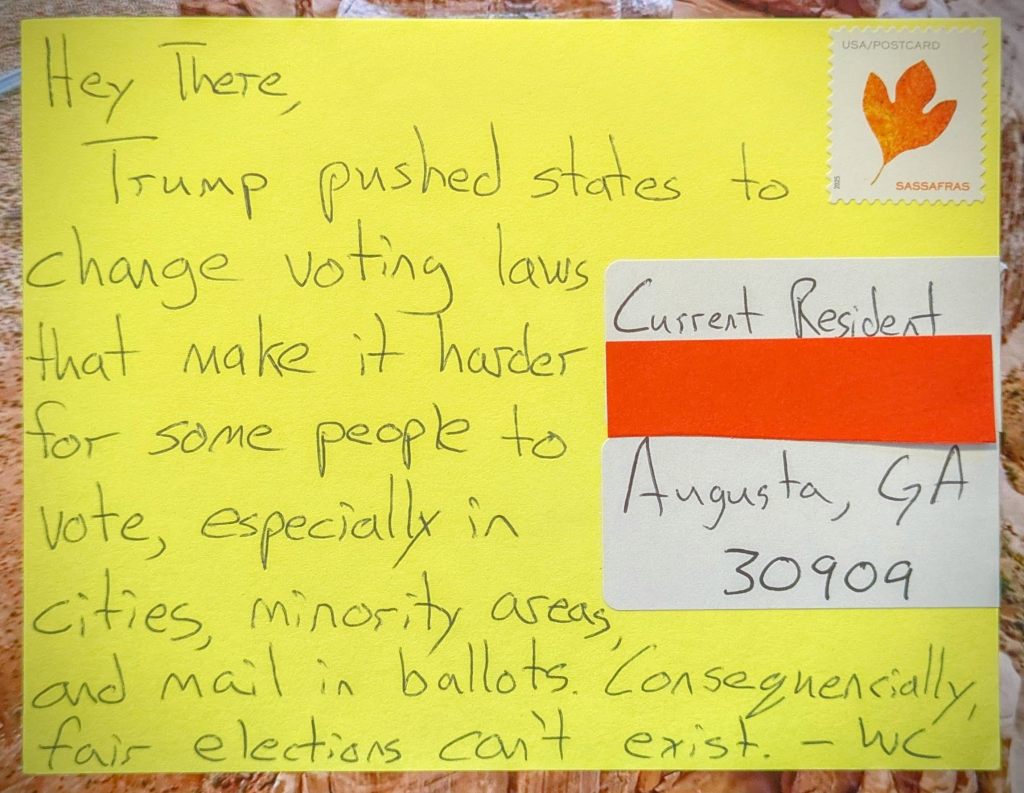
Trump has backed and encouraged a broad set of efforts that would tighten voting rules, particularly around mail voting, voter ID, proof of citizenship, and voter-roll purges, which civil-rights groups and many election experts say would disproportionately burden young, poor, disabled, and nonwhite voters.
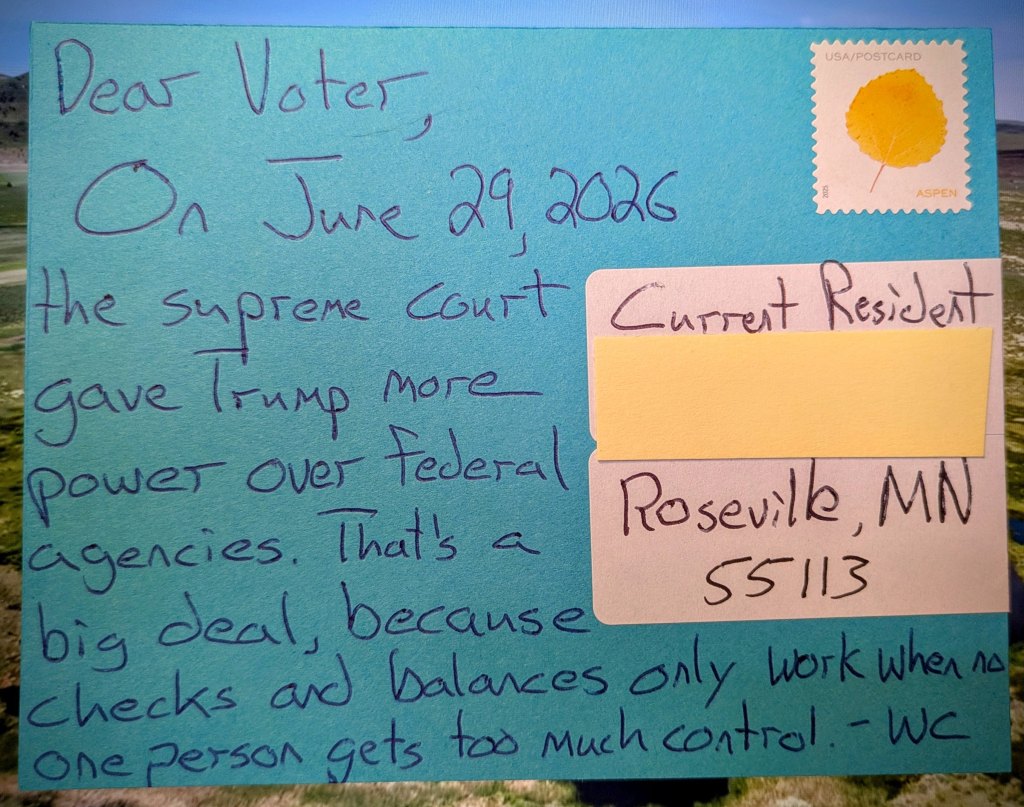
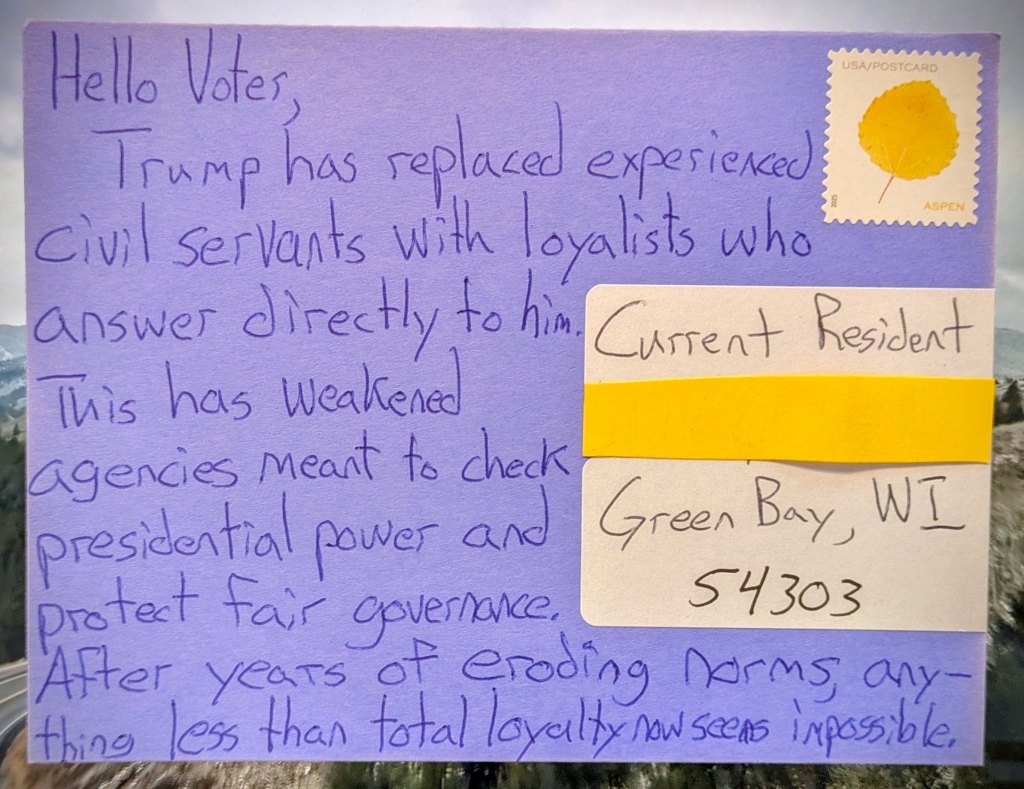
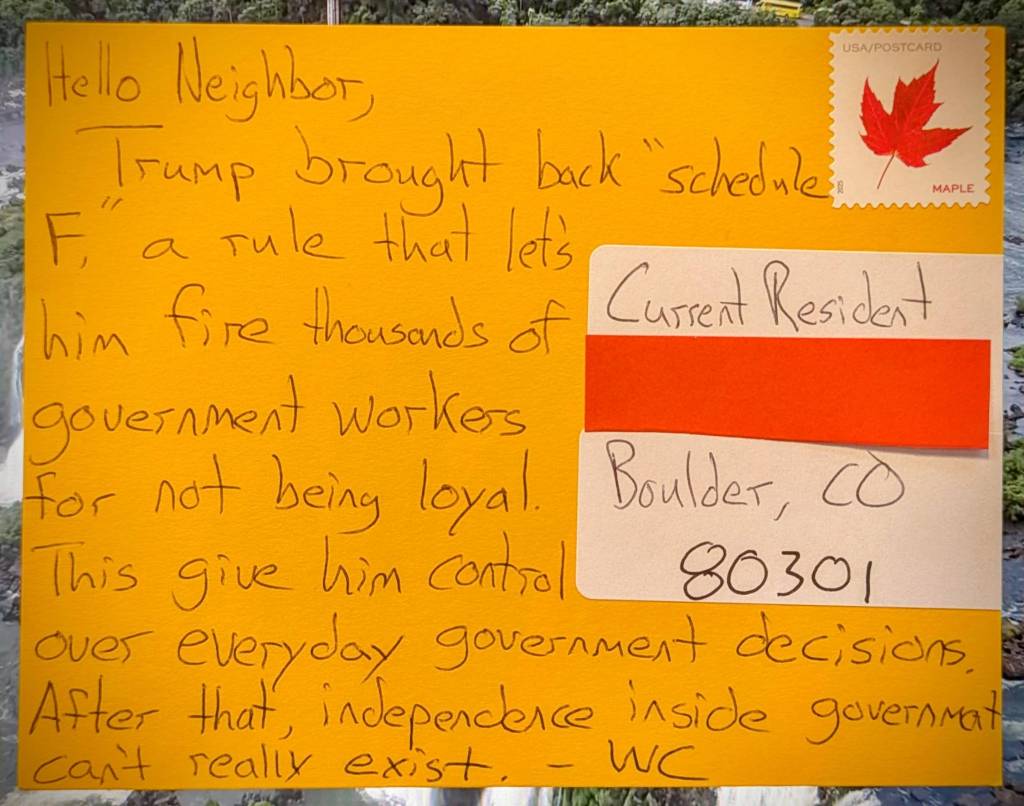
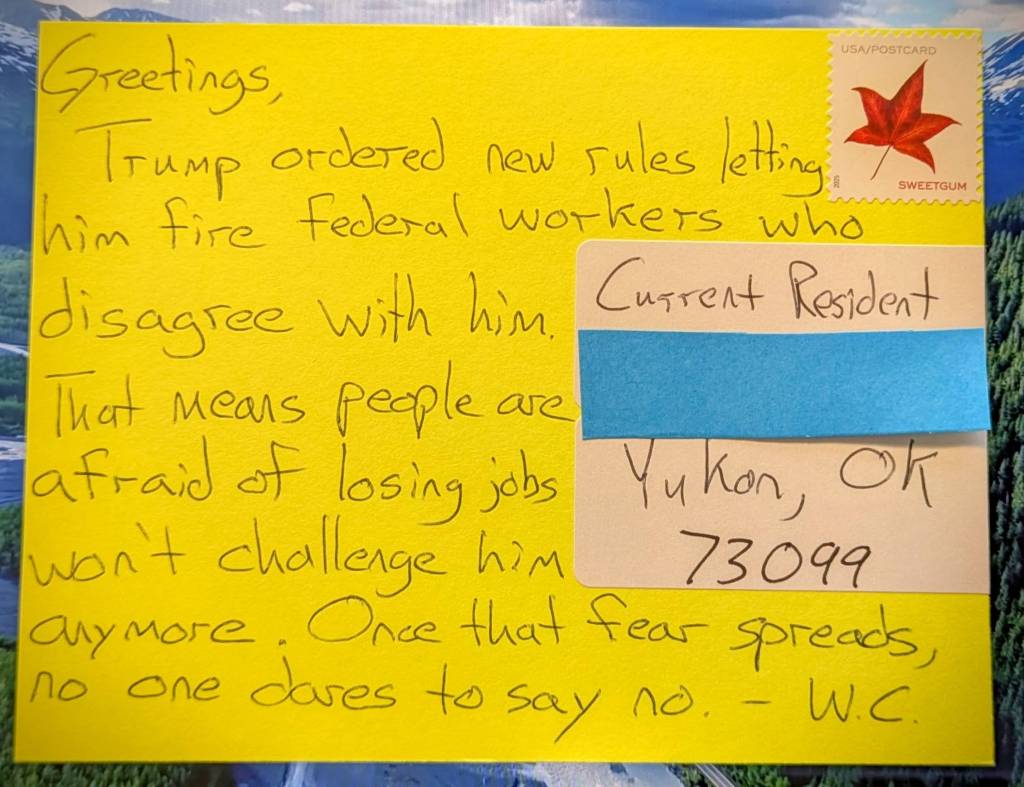
Trump has finalized a new federal personnel rule that makes it much easier for his administration to reclassify and fire tens of thousands of career civil servants involved in policymaking, in ways critics say are designed to purge or intimidate employees who are seen as resisting his agenda.
The Trump administration has been aggressively firing, sidelining, or targeting both senior military leaders and retired officers seen as disloyal, which experts warn is eroding the norm of an apolitical military and pressuring the chain of command to follow any order he labels “lawful.”
The Trump administration is rapidly expanding surveillance powers and “domestic extremism” frameworks in ways that civil liberties groups warn can be used against protest movements and left‑leaning organizers.
In a December 2025 prime-time White House address, Trump pinned persistent inflation and high costs on Joe Biden and Democrats, claiming they caused a 48-year high in prices while ignoring data showing grocery items rising under his own tariffs and policies.
A January 2026 summary of Gallup-style data reports public trust in the federal government “at one of its lowest points,” underscoring that disillusionment has persisted into the new year.
President Trump has used executive orders a lot—more than 210 times this year alone. Executive orders are shortcuts a president uses to make rules or direct government agencies without needing Congress to pass a law. While these can be helpful for quick action, the problem is overuse. Too many executive orders can lead to confusion, because they can be changed just as fast by the next president, and often bypass the normal checks and balances that Congress provides. This creates uncertainty for government workers, businesses, and everyday people who need stable rules to plan their lives.
In Georgia, this heavy use of executive orders is felt in daily life. For example, orders have changed things like how schools handle physical education, tariffs on imported goods, and healthcare drug pricing. These quick changes can disrupt local programs and services because Georgia’s schools, businesses, and health clinics have to adjust rapidly and often with little warning. For everyday Georgians, that means they may face confusion about what government programs are available, how to access them, or what new rules they must follow. It also means less chance for public debate and input on important decisions. While executive orders let the president act fast, relying on them too much can make people feel like their voices don’t matter and that government rules shift too quickly to trust.
Trump’s “streamlining” of government services mainly means cutting back on federal programs, staff, and offices to make things run cheaper and faster—but for the people who rely on these services, that often means getting less help when they need it most. Trump’s administration directed agencies to shed thousands of federal jobs, shut down regional offices, freeze new hirings, and eliminate programs it called “unnecessary”. Rules were changed so that only one new person was hired for every four who left, and agencies were told to automate tasks and use fewer outside contractors. The White House claimed the government would stay “efficient,” but many watchdogs and public service unions warned that basic help for Americans—like help with healthcare, job training, or disaster relief—was harder to get and slower than before.
In Arizona, these cutbacks hit home in a bunch of ways. Local offices of agencies like Social Security, veterans’ services, and child care support were consolidated or closed, forcing Arizonans to drive hundreds of miles or spend hours online just to get help. Programs that helped poor families with Head Start preschool, Medicaid, and housing assistance were either shrunk, rolled into new “work requirements” that knocked people off the rolls, or eliminated outright. Arizona’s border communities, including cities like Tucson and Nogales, now see more confusion and longer waits for things like disaster recovery after storms or access to government health clinics. Teachers and social workers in Phoenix say the paperwork load got heavier after the federal government dumped tough jobs onto state agencies without enough money or clear rules to handle the surge. So, what’s called “streamlining” often means everyday folks in Arizona get caught in longer lines, face higher costs, and have to work harder just to get their basic needs met by a government that says it’s focusing on efficiency.