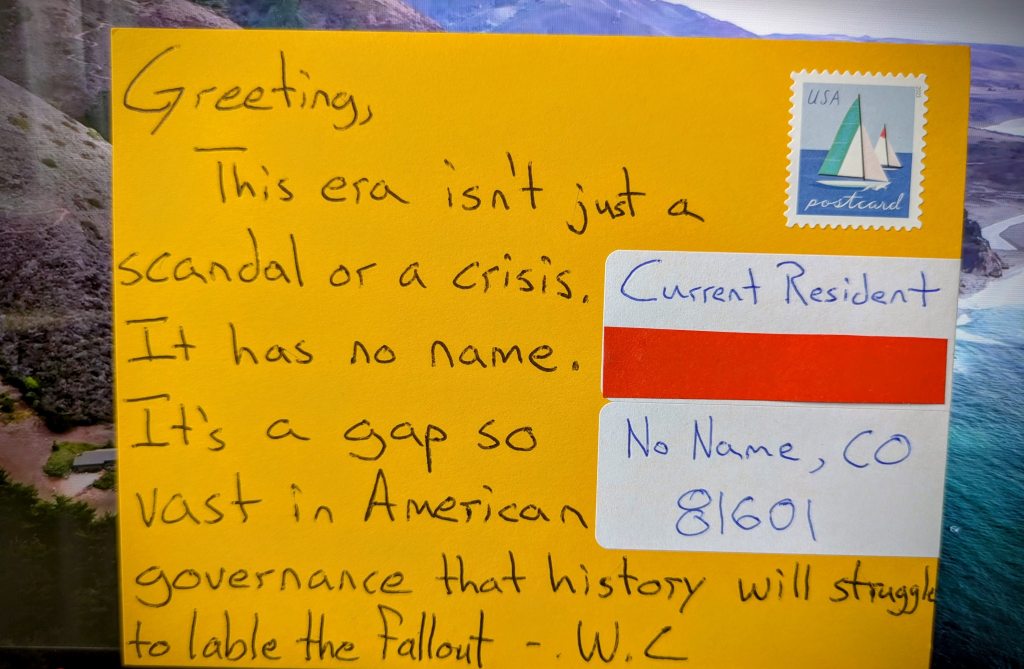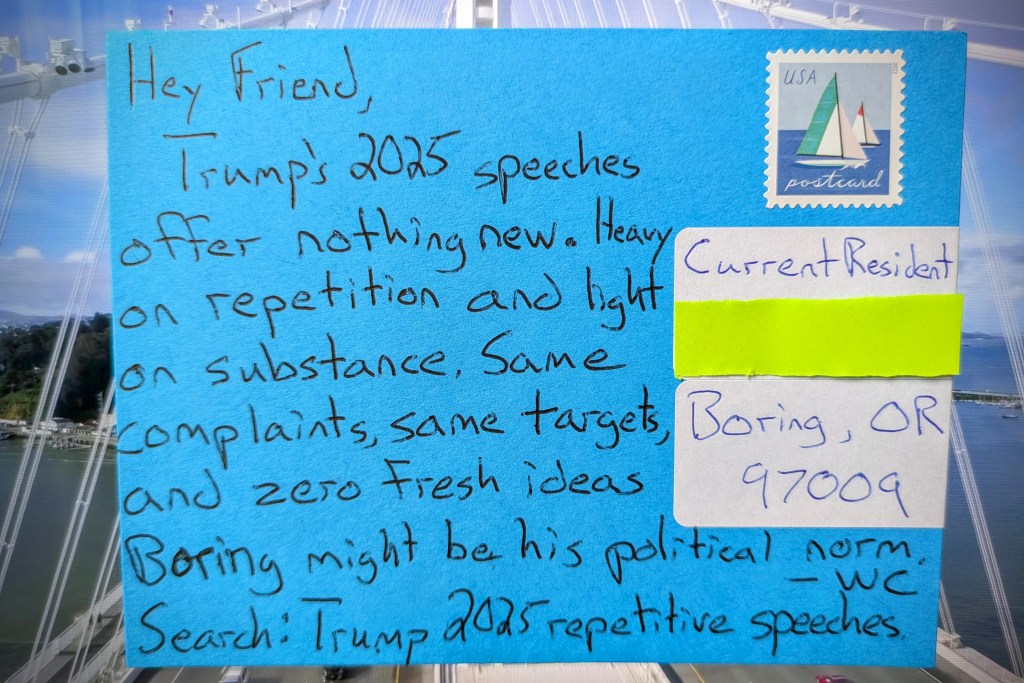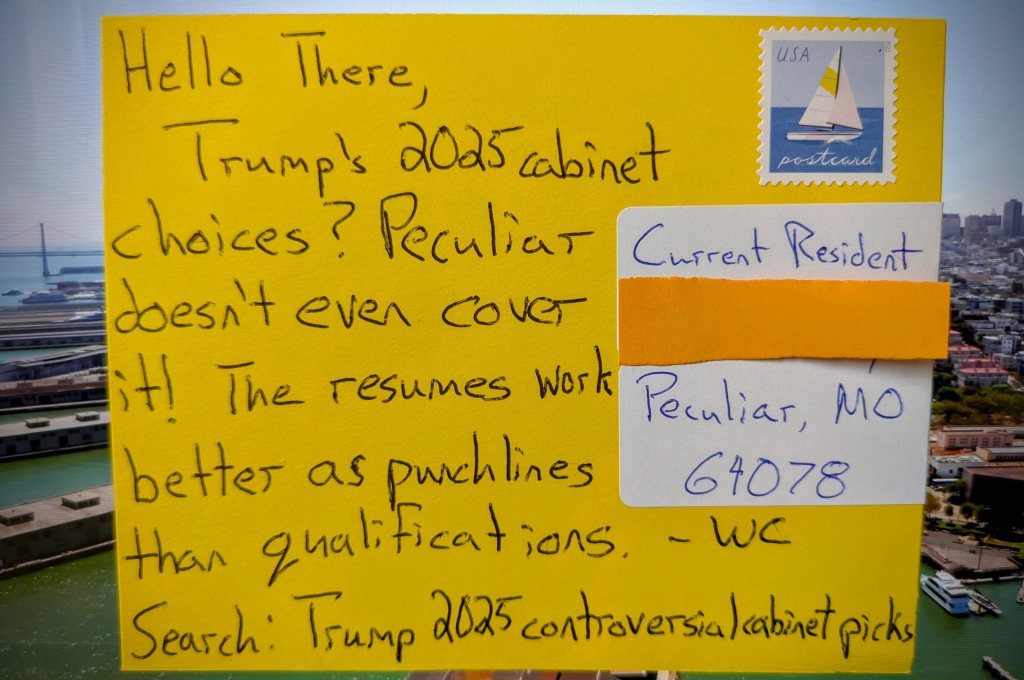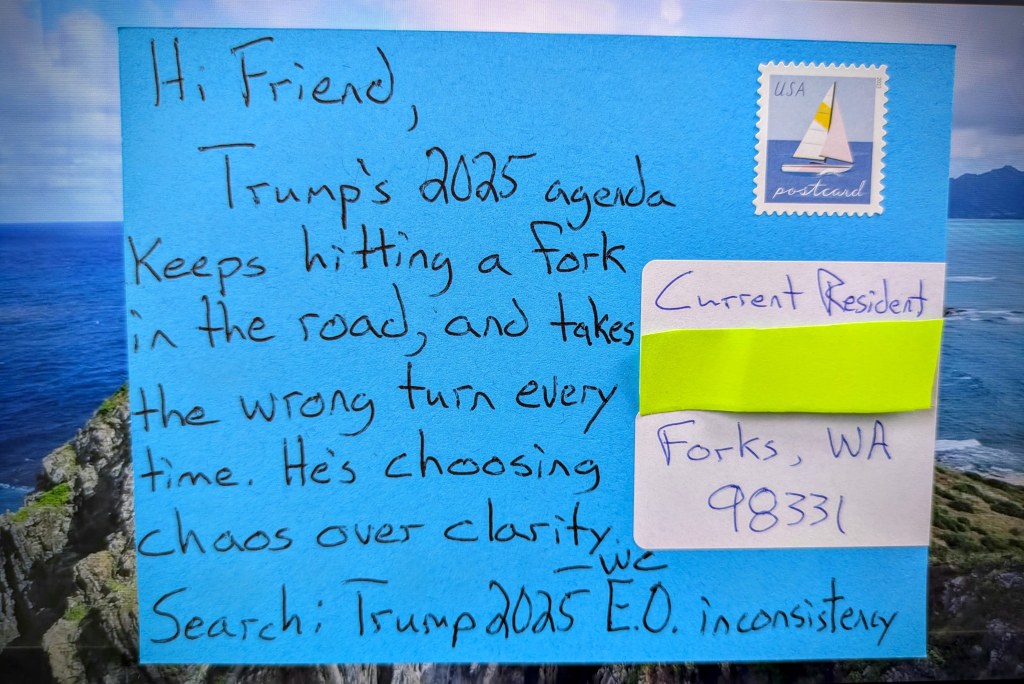
President Trump’s 2025 executive orders include controversial changes affecting environmental policies and land management, creating implementation challenges.
In rural Forks, Washington, there are worries about an order that opens public lands, including forests, to development by removing protections like the Roadless Area Conservation Rule, leading to strong opposition due to increased wildfire risks and environmental damage. Another order seeks to improve wildfire prevention through collaboration among federal, state, and tribal groups, important for areas prone to wildfires.
Additionally, some actions challenge local climate laws, weakening state protections needed for sustainable development. Economic orders could also indirectly affect local economies.
Overall, these inconsistencies in Trump’s orders create uncertainties for rural communities like Forks, WA.
President Trump has fired important economic officials, like the head of the Bureau of Labor Statistics, who’s in charge of tracking job numbers. Trump said the numbers were unfair to him but there’s no proof of that. Right after a weak jobs report came out, he fired the official like a coward. He also tried to remove a Federal Reserve governor, which caused legal headaches because those positions have protections.
These actions shakes trust in the government’s economic reports, which everyone relies on to understand if the economy is doing well. When people don’t trust those numbers, businesses get cautious, hiring slows down, and it becomes harder for people to make good choices about their jobs and money. Plus, tariffs and trade problems are already causing prices to go up and job losses in some industries. So adding this confusion around economic data just makes things tougher for everyday Americans.
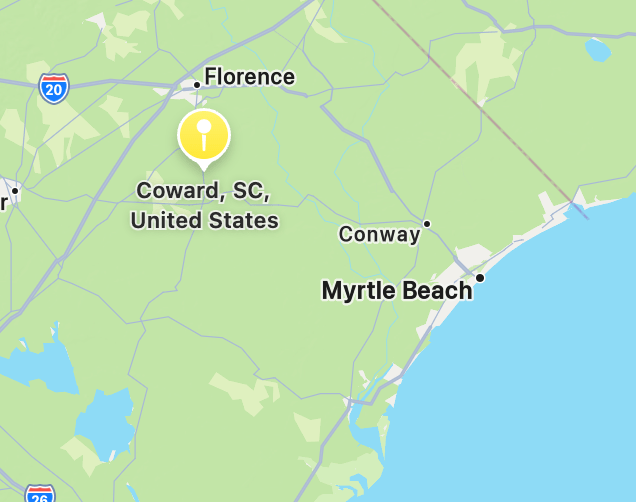
The impact of Trump’s 2025 firing of economic officials and tariffs on Coward, South Carolina, mainly affects the state’s manufacturing and trade. Coward is a small town reliant on exports like cars and farm products. South Carolina exports billions in these goods, primarily trading with countries such as Canada, China, and Germany.
Bottom line: firing these officials makes the economy feel less stable and confuses people who just want to know if they can keep their jobs and pay their bills. It’s a shaky situation that adds uncertainty to already difficult economic times.
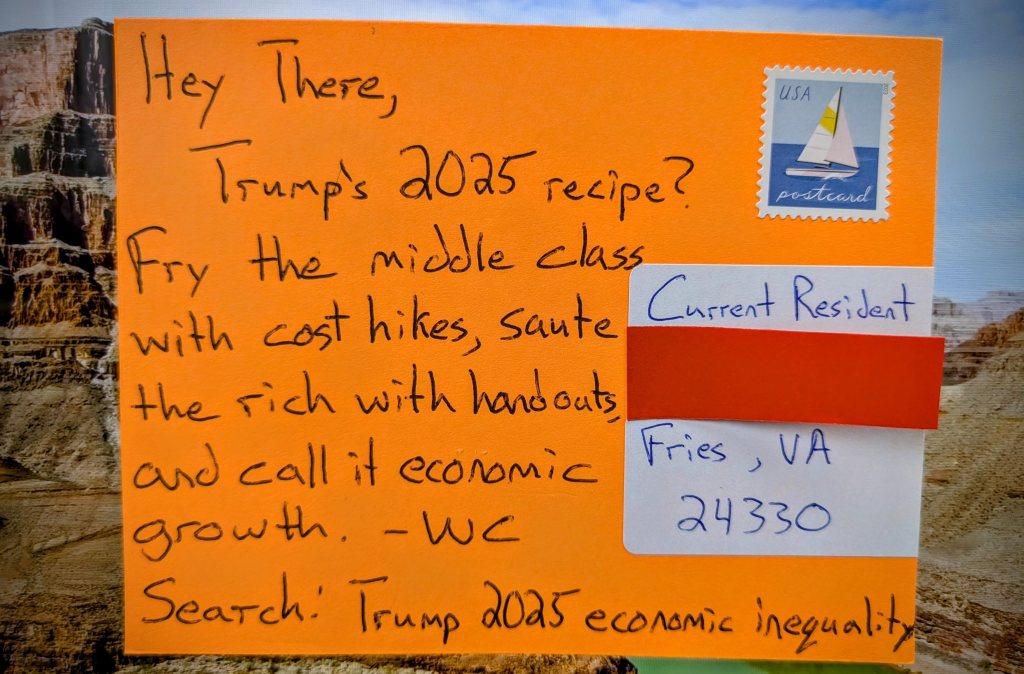
The Trump 2025 administration has been a disaster for the average person. Massive new tariffs on imports mean it’s you who’s paying, not foreign companies. Economists say these tariffs could cost the typical American household about $3,800 a year. Health and education protections are under attack too. The Affordable Care Act (ACA) is being rolled back, making things worse for those with pre-existing conditions. And the talk of dismantling the Department of Education, which manages $1.6 trillion in student loans, creates uncertainty for young borrowers. Then there’s the administrative meltdown of purging 300,000 federal workers under the guise of “efficiency.” That leads to slower services and less oversight, making government less competent exactly when people need it to be. The chaos isn’t just a headline. It’s why everything feels a bit harder and more expensive.
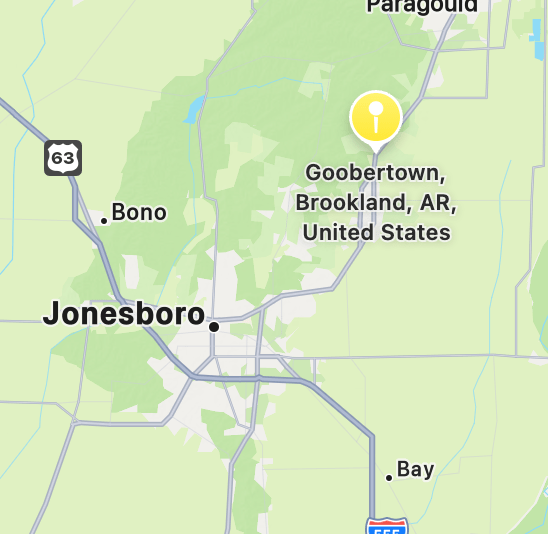
Skyrocketing input costs, trade war tariffs, and slashed federal support have led to generational farms collapsing. Many Arkansas farmers are facing bankruptcy and are pleading for immediate government aid to survive this year. The delayed aid promised by the administration is not arriving soon enough, risking the loss of a third of Arkansas farms. The agricultural collapse threatens not only farmers but local economies and food supply chains as well.
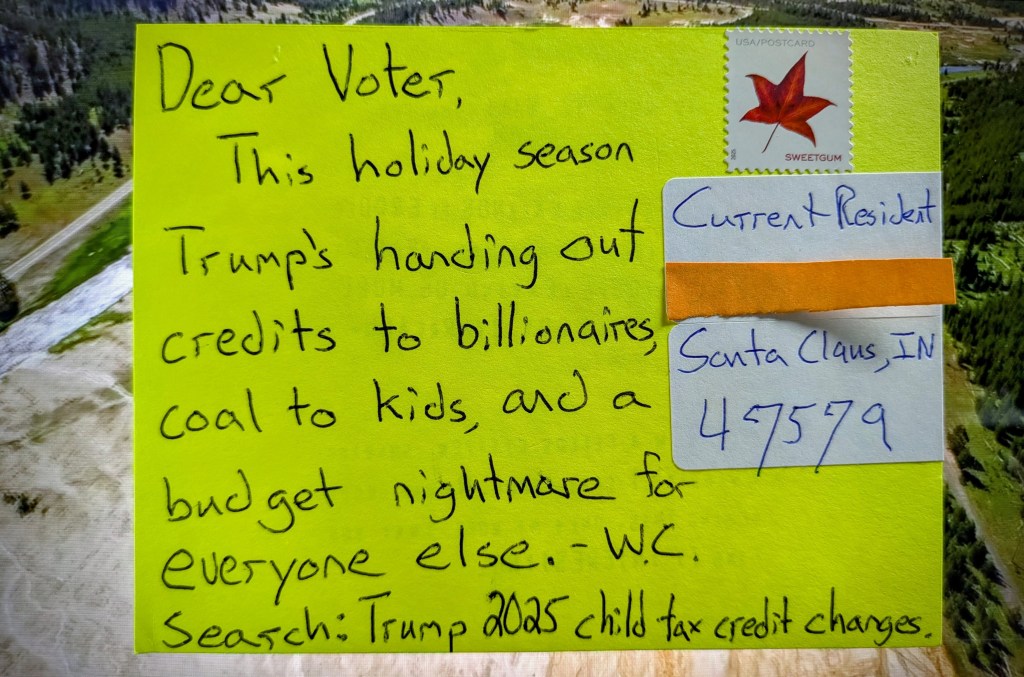
Congress passed the “One Big Beautiful Bill” (OBBB), making many changes permanent, particularly from the 2017 tax cuts. The key update for families is the maximum credit, now $2,200 per kid, plus an inflation adjustment starting in 2026. However, while the top credit increased, the refundable portion remains capped at $1,700, leaving low earners without full benefits. Now, parents must have a valid Social Security Number (SSN) to qualify, cutting out about 2.7 million American kids from the credit.
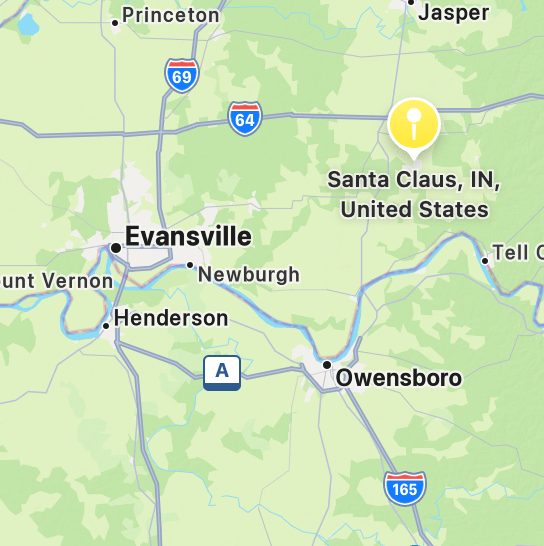
In Indiana, OBBB carries significant long-term risks for healthcare access, social safety nets, and services critical to lower-income and vulnerable populations. These downsides especially impact rural healthcare infrastructure, social welfare programs, and education support. Public opinion reflects concern, with two-thirds of people viewing the bill unfavorably after learning about increased uninsured rates, hospital funding cuts, and reduced Medicaid spending.
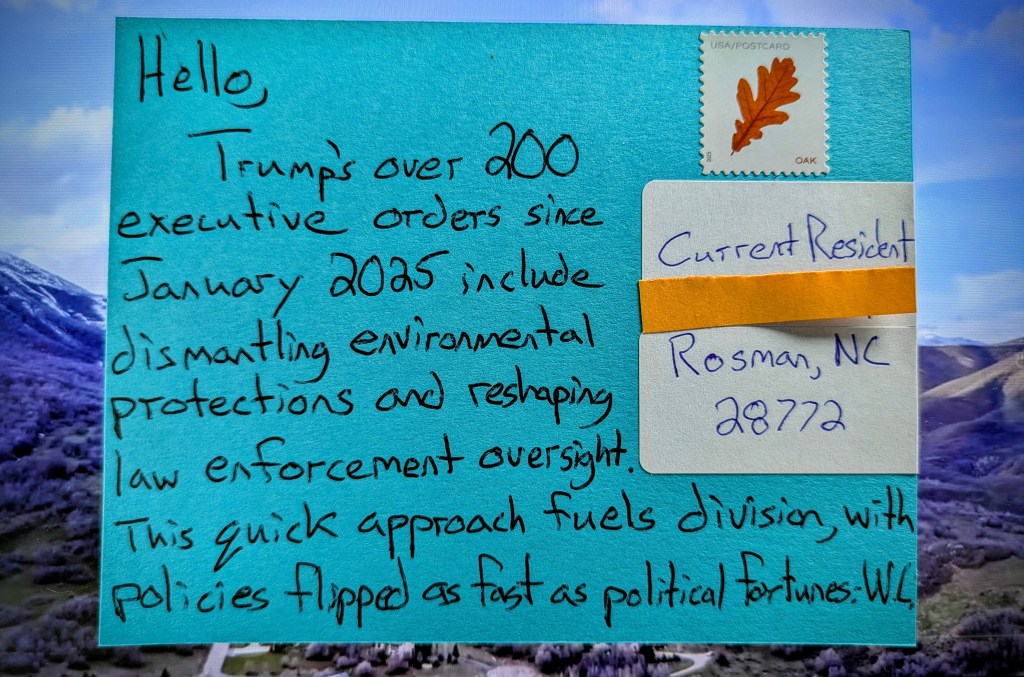
President Trump’s 2025 administration has issued over 200 executive orders, an unprecedented amount for any president. This “flip it fast” approach is creating chaos and division. The scrapping of Diversity, Equity, and Inclusion programs has upset many who see it as a rollback of hard-won rights for women, minorities, LGBTQ+ individuals, and the disabled. Legal immigration is tightening, raising concerns in immigrant communities. Environmental rollbacks threaten public health and disproportionately impact marginalized groups, fueling cultural conflicts and regional divides.
The administration’s rollback of environmental protections impacts North Carolina, which is still recovering from Hurricane Helene. With federal climate funding frozen and strained state recovery efforts, local communities lack resources for rebuilding. Moreover, disruptions in North Carolina’s clean energy and electric vehicle sectors due to the elimination of incentives threaten jobs and economic growth. Additionally, rising tariffs and trade tensions are affecting working families, while increased social tensions from the scrapping of Diversity, Equity, and Inclusion initiatives have led to political conflicts. Tightened immigration policies are adding pressure on immigrant families.
This rapid governing style promotes division rather than unity, leaving many Americans to confront the consequences. The 2025 playbook has significantly changed the American landscape in ways that are difficult to reverse.
The proposed 2025 healthcare cuts, as outlined in the one big beautiful bill, were a massive shift. It boils down to two things: Medicaid and public health.
The biggest target, Medicaid,-the safety net for the poor, the elderly, and the disabled-aimed at slashing over $1 trillion primarily by introducing work requirements, making it harder for eligible people to get healthcare.
Then you have the public health agencies like the CDC and the NIH, lined up for cuts, cutting disease prevention programs.
On top of that, they allowed enhanced subsidies for the Affordable Care Act (ACA) Marketplace to expire, leaving millions facing rising premiums and dropping coverage.
It’s about “eliminating waste,” but results in fewer insured, less research funding, and states left scrambling to pick up costs. It’s a huge burden shift from Washington onto the states, creating more problems than it solves. Get ready for a higher uninsured rate and more hospital closures.
When Vice President JD Vance took over hosting the Charlie Kirk podcast after Kirk’s assassination, it revealed a concerning trend: governance was shifting from serving everyone to promoting a narrow ideological agenda. By hosting the show from the White House, Vance called for honoring Kirk while also encouraging listeners to shame those with opposing views and report them to their employers. He blamed left-wing Americans for violence and supported public retaliation, which increased distrust, worsened divisions, and limited free speech, resulting in job losses over comments about Kirk’s death.
This affects local trust and civic participation in towns like Alden, IA, by creating polarized messaging that pressures residents to choose sides. Those who don’t align with conservatism may fear backlash for sharing differing views, especially after Vance’s calls to report dissenters. This environment can suppress public discourse, making citizens hesitant to express themselves and risking harm to community relationships and the essential values of fair debate and mutual respect in rural American life.
This politicization of the vice presidency weakens its obligation to represent all citizens, fuels partisan conflict, and threatens public trust needed for national unity and healthy democracy.
The Epstein files highlight how Washington ignores the average citizen. Despite promises of transparency, the DOJ and FBI claimed there was no “incriminating client list,” citing national security as an excuse. This led to Democratic attacks on Trump while the White House dismissed it as a “hoax.”
The situation illustrates the double standards in America, with the powerful evading accountability while ordinary people face a rigged system, fostering public cynicism and distrust. Ultimately, it shows a government that fails to act justly.
The three key pillars that help build public trust in the judiciary are: Public commitment to democratic norms, unique symbols of the court (such as robes and honorific titles), and a court that is legalistic in it’s decisions.
However, declining trust in all public institutions and political polarization makes this difficult. Recent issues-like Supreme Court nominations and the Dobbs decision-may have further weakened public confidence, despite the Justices assertions of fairness.
The current Justices may not feel the immediate sting of dwindling trust, but history (and reliable public research) make clear the risks. They are undermining the institution’s authority and their own professional legacies, with consequences felt by all Americans.
The small communities surrounding Ding Dong, Texas, rely on federal grants for support. President Trump’s August 2025 Executive Order on grant oversight has created uncertainty by putting funding decisions in the hands of a political appointee focused on the current administration’s “national interest.”
This puts important projects like rural broadband expansion at risk, disrupts local utility companies, and adds pressure on rural service providers due to limits on “indirect costs.” Additionally, restrictions on grants for initiatives related to “racial preferences” or “gender or DEI ideology programs” could cut essential services for vulnerable populations, including mental health programs for veterans.
Overall, the new oversight system favors political alignment over program stability, jeopardizing resource-limited rural organizations and their services.
Older Americans Act (OAA) Grants (Administered by the Administration for Community Living – ACL): These discretionary funds are essential for in-home services and nutrition programs for seniors. State Health Insurance Program (SHIP) and MIPPA (Medicare benefits) grants are also key.
Health Center Program (Section 330) Grants (Administered by HHS/HRSA): The primary funding for Federally Qualified Health Centers (FQHCs) which would be directly impacted by the EO’s call to limit indirect costs (overhead, rent, utilities) and the political oversight of grant renewals.HHS TAGGS (General Grant Info for HHS recipients like health centers): https://taggs.hhs.gov/
5.
Emergency Food and Shelter Program (EFSP) (Federal pass-through funds) and other HUD/HHS grants. These organizations are vulnerable to the EO’s criteria that vet against certain social initiatives or ideological alignment (Source 2.1 in previous answer).Families In Crisis News Article (Mentions funding challenges):
This video discusses the release of billions in grant money for schools after an administration review, which is an example of the kind of funding delay and subsequent release that can be caused by the new grant oversight process outlined in the executive order: