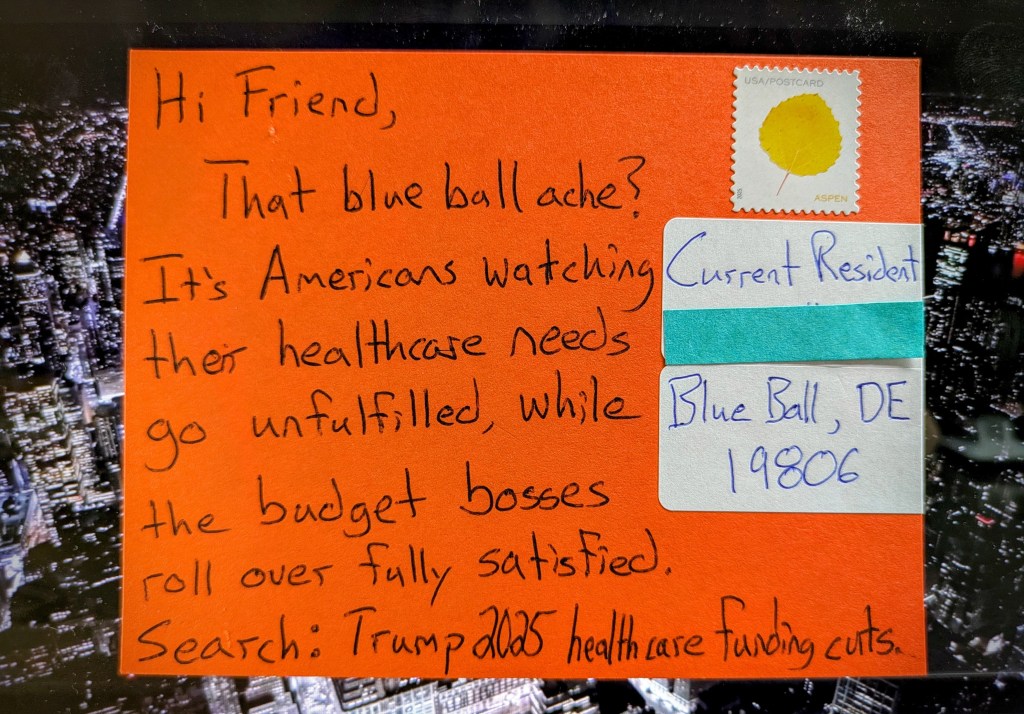
The proposed 2025 healthcare cuts, as outlined in the one big beautiful bill, were a massive shift. It boils down to two things: Medicaid and public health.
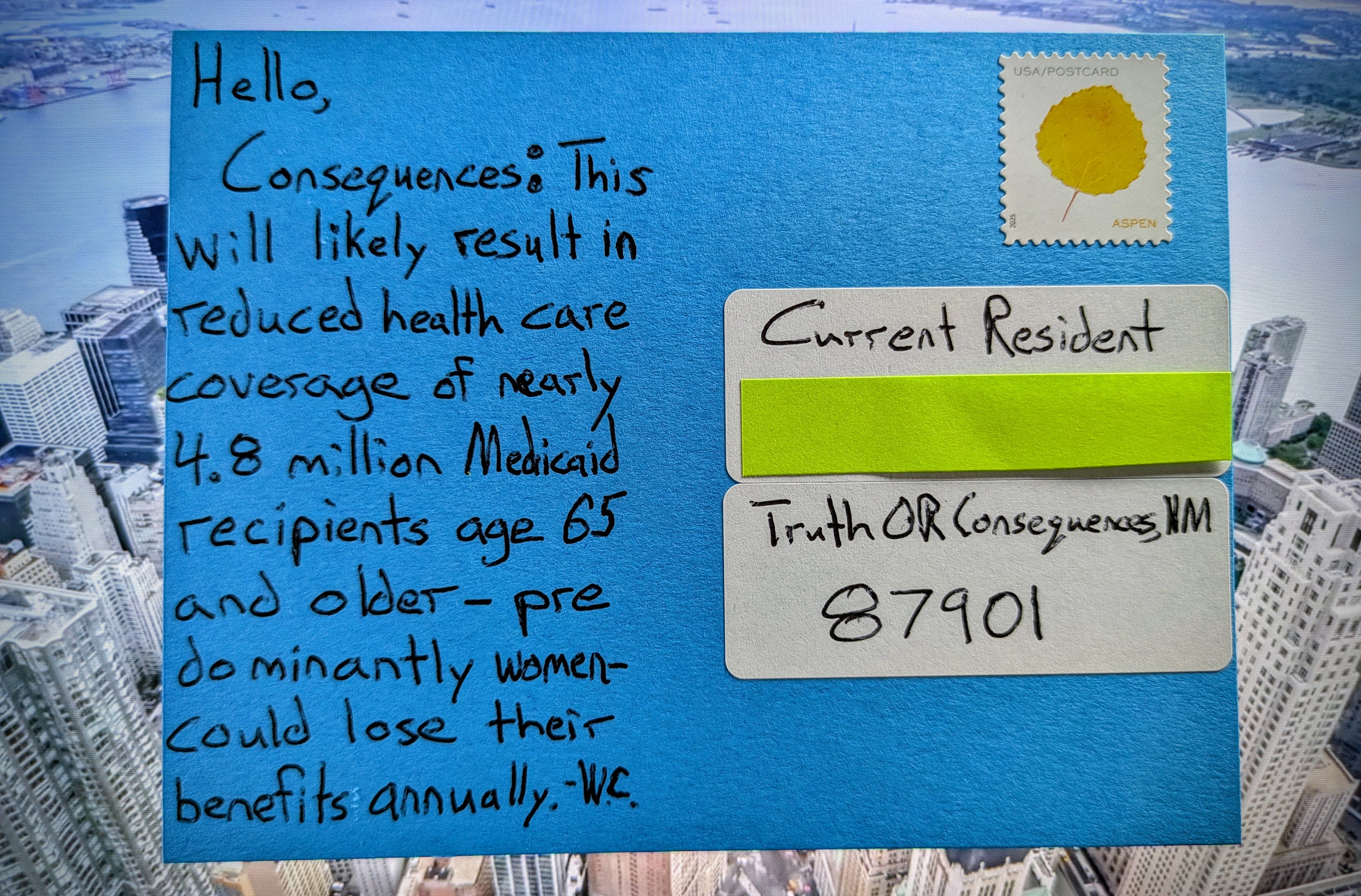
The biggest target, Medicaid,-the safety net for the poor, the elderly, and the disabled-aimed at slashing over $1 trillion primarily by introducing work requirements, making it harder for eligible people to get healthcare.
Then you have the public health agencies like the CDC and the NIH, lined up for cuts, cutting disease prevention programs.
On top of that, they allowed enhanced subsidies for the Affordable Care Act (ACA) Marketplace to expire, leaving millions facing rising premiums and dropping coverage.
It’s about “eliminating waste,” but results in fewer insured, less research funding, and states left scrambling to pick up costs. It’s a huge burden shift from Washington onto the states, creating more problems than it solves. Get ready for a higher uninsured rate and more hospital closures.
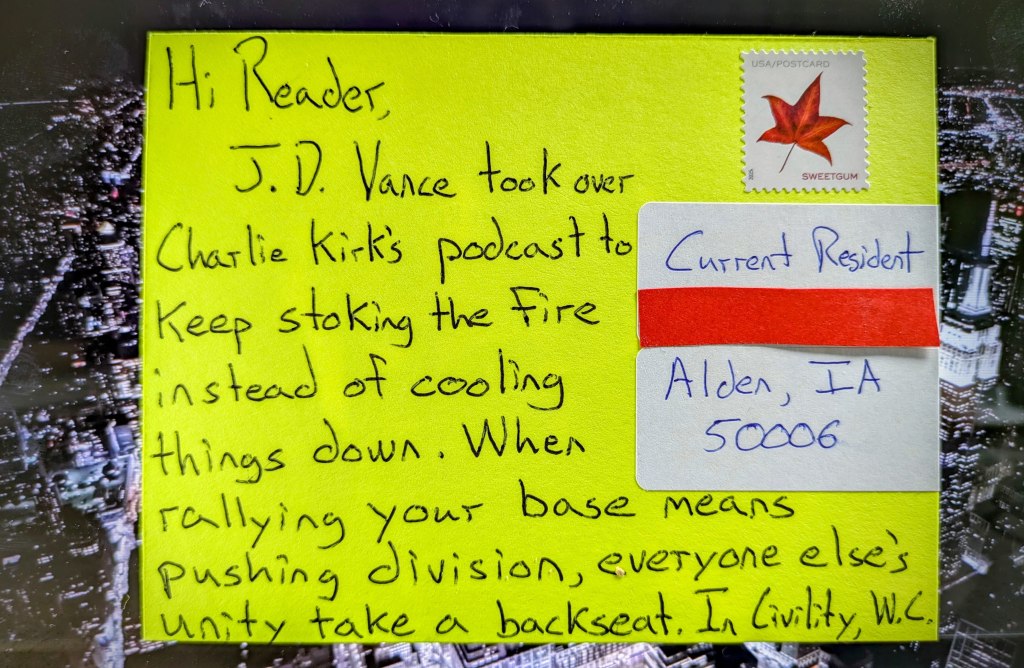
When Vice President JD Vance took over hosting the Charlie Kirk podcast after Kirk’s assassination, it revealed a concerning trend: governance was shifting from serving everyone to promoting a narrow ideological agenda. By hosting the show from the White House, Vance called for honoring Kirk while also encouraging listeners to shame those with opposing views and report them to their employers. He blamed left-wing Americans for violence and supported public retaliation, which increased distrust, worsened divisions, and limited free speech, resulting in job losses over comments about Kirk’s death.
This affects local trust and civic participation in towns like Alden, IA, by creating polarized messaging that pressures residents to choose sides. Those who don’t align with conservatism may fear backlash for sharing differing views, especially after Vance’s calls to report dissenters. This environment can suppress public discourse, making citizens hesitant to express themselves and risking harm to community relationships and the essential values of fair debate and mutual respect in rural American life.
This politicization of the vice presidency weakens its obligation to represent all citizens, fuels partisan conflict, and threatens public trust needed for national unity and healthy democracy.
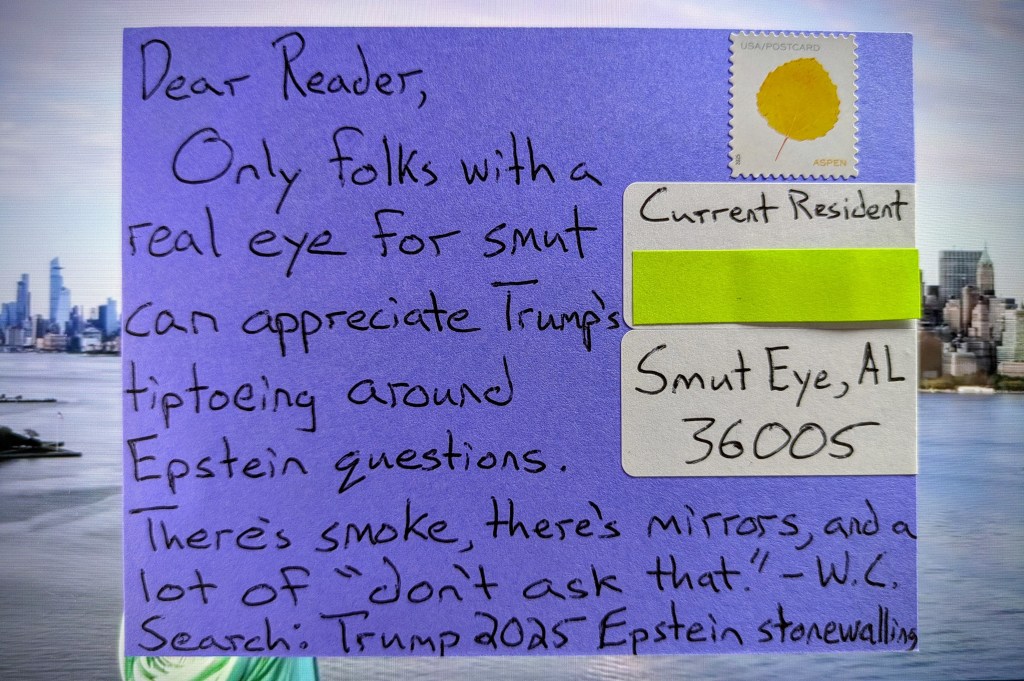
The Epstein files highlight how Washington ignores the average citizen. Despite promises of transparency, the DOJ and FBI claimed there was no “incriminating client list,” citing national security as an excuse. This led to Democratic attacks on Trump while the White House dismissed it as a “hoax.”
The situation illustrates the double standards in America, with the powerful evading accountability while ordinary people face a rigged system, fostering public cynicism and distrust. Ultimately, it shows a government that fails to act justly.
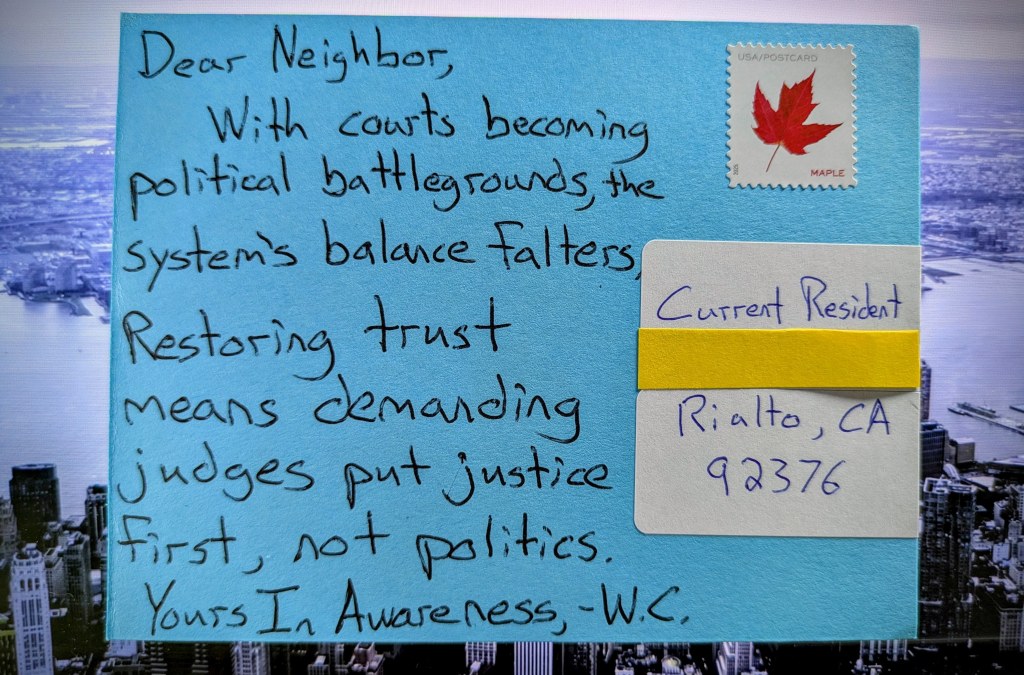
The three key pillars that help build public trust in the judiciary are: Public commitment to democratic norms, unique symbols of the court (such as robes and honorific titles), and a court that is legalistic in it’s decisions.
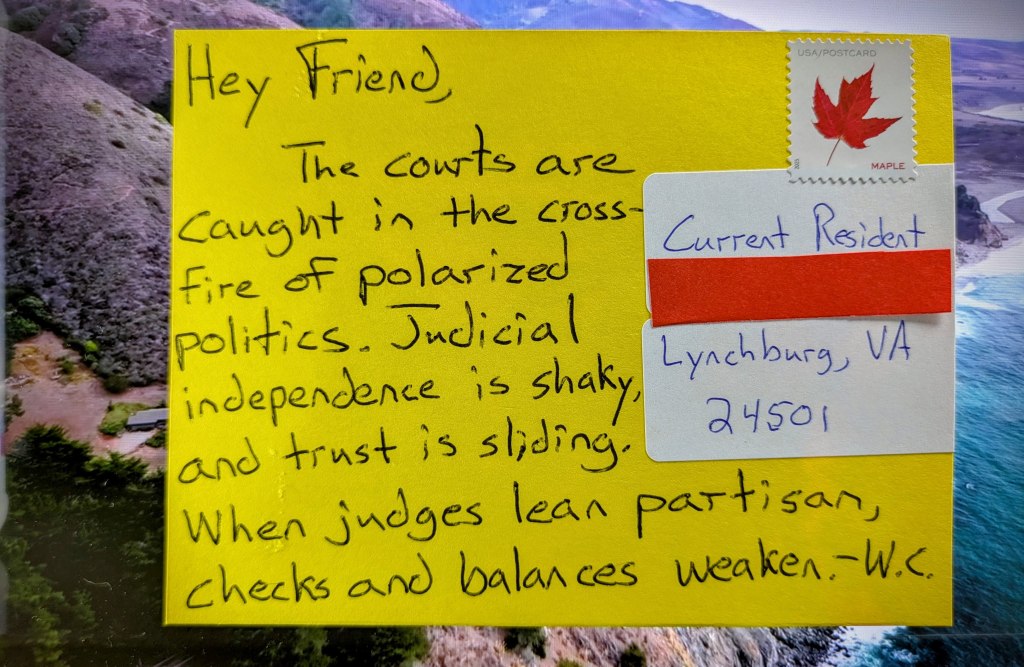
However, declining trust in all public institutions and political polarization makes this difficult. Recent issues-like Supreme Court nominations and the Dobbs decision-may have further weakened public confidence, despite the Justices assertions of fairness.
The current Justices may not feel the immediate sting of dwindling trust, but history (and reliable public research) make clear the risks. They are undermining the institution’s authority and their own professional legacies, with consequences felt by all Americans.
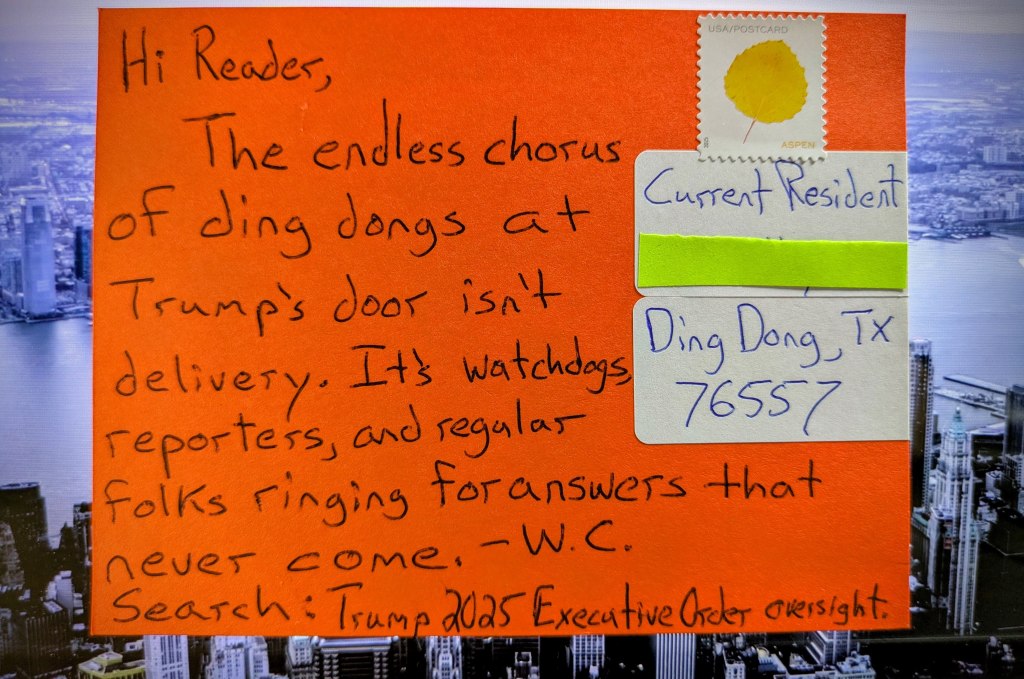
The small communities surrounding Ding Dong, Texas, rely on federal grants for support. President Trump’s August 2025 Executive Order on grant oversight has created uncertainty by putting funding decisions in the hands of a political appointee focused on the current administration’s “national interest.”
This puts important projects like rural broadband expansion at risk, disrupts local utility companies, and adds pressure on rural service providers due to limits on “indirect costs.” Additionally, restrictions on grants for initiatives related to “racial preferences” or “gender or DEI ideology programs” could cut essential services for vulnerable populations, including mental health programs for veterans.
Overall, the new oversight system favors political alignment over program stability, jeopardizing resource-limited rural organizations and their services.
Older Americans Act (OAA) Grants (Administered by the Administration for Community Living – ACL): These discretionary funds are essential for in-home services and nutrition programs for seniors. State Health Insurance Program (SHIP) and MIPPA (Medicare benefits) grants are also key.
Health Center Program (Section 330) Grants (Administered by HHS/HRSA): The primary funding for Federally Qualified Health Centers (FQHCs) which would be directly impacted by the EO’s call to limit indirect costs (overhead, rent, utilities) and the political oversight of grant renewals.HHS TAGGS (General Grant Info for HHS recipients like health centers): https://taggs.hhs.gov/
5.
Emergency Food and Shelter Program (EFSP) (Federal pass-through funds) and other HUD/HHS grants. These organizations are vulnerable to the EO’s criteria that vet against certain social initiatives or ideological alignment (Source 2.1 in previous answer).Families In Crisis News Article (Mentions funding challenges):
This video discusses the release of billions in grant money for schools after an administration review, which is an example of the kind of funding delay and subsequent release that can be caused by the new grant oversight process outlined in the executive order:
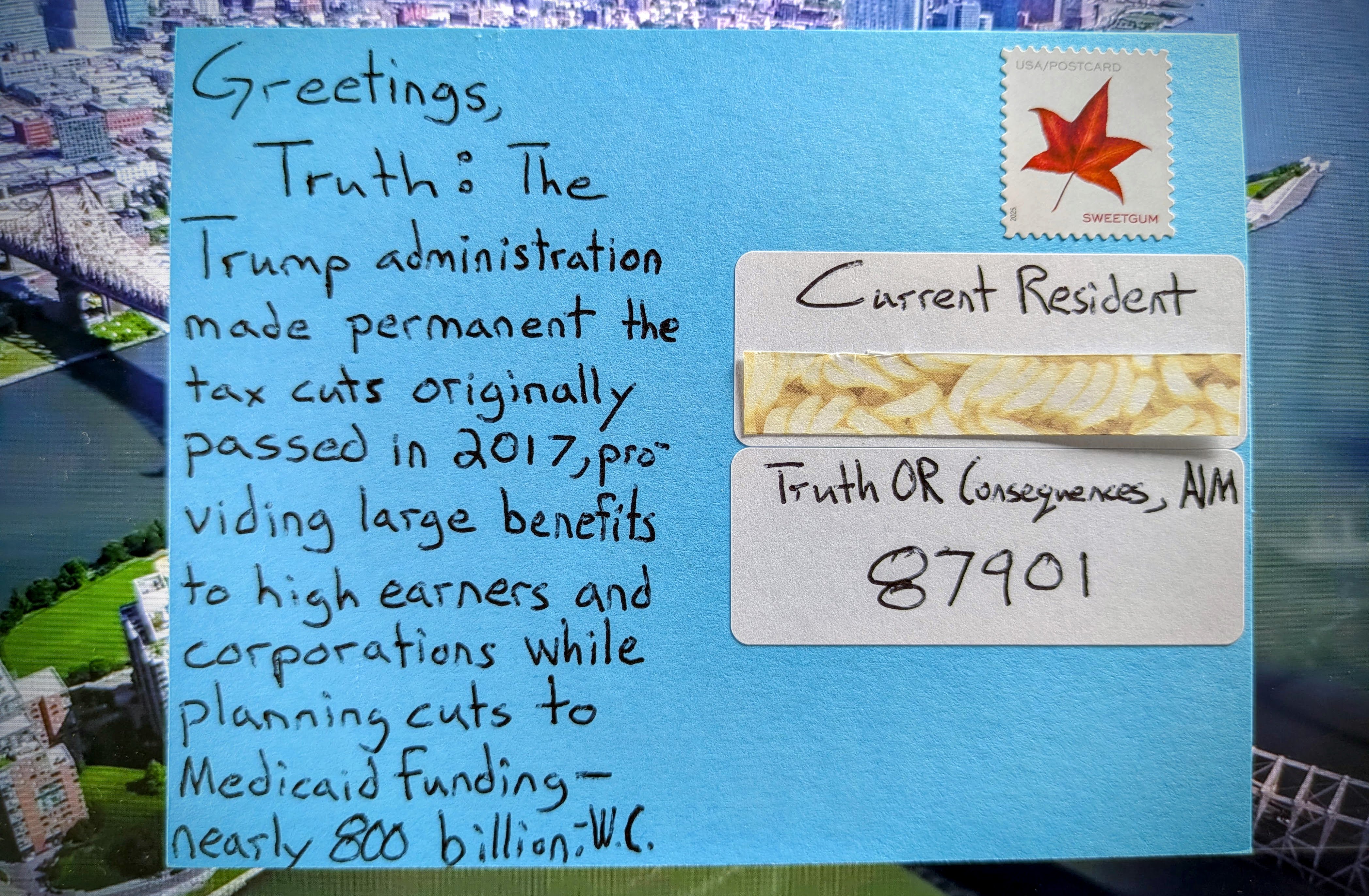
The 2025 extension of Trump’s tax cuts mostly helps wealthy Americans and big businesses, locking in big breaks for folks making over $450,000 a year and corporations. Regular families get some relief with bigger standard deductions and a bump in child tax credits, but many low-income Americans see cuts in programs like Medicaid and food assistance and they may pay more out of pocket.
Some lawmakers, especially those with investments in real estate and businesses (and their donors) benefit directly from the cuts, raising concerns that the whole thing’s designed to line pockets rather than help average people. The bill also makes it easier for the super-rich to dodge estate taxes when passing down wealth, widening the gap between the rich and everyone else.
In the end, while it’s sold as a win for everyone, the real winners are the wealthy and politically connected—the rest get the leftovers and foot the bill.
Samuel Alito, known for reliable votes supporting right-wing and executive power positions, has been scrutinized over undisclosed trips and connections to conservative advocacy groups (as well as flag controversies involving his household). He is statistically the court’s most conservative justice. [1]
Justice Clarence Thomas is extremely conservative, nearly always aligns with Alito and is a frequent leader of the most partisan bloc. His repeated headlines about unreported gifts, luxury trips, and financial benefits from conservative donors have raised major ethical concerns in 2024 and 2025, with Senate hearings and investigative journalism coverage. [2]
Neil Gorsuch often aligns with the conservative bloc of Thomas and Alito on key issues. Brett Kavanaugh and Amy Coney Barrett are also conservative but are perceived as somewhat more moderate. John Roberts, the Chief Justice, has shifted right but remains the likely conservative swing vote, occasionally siding with liberals in close cases.
By contrast, Sonia Sotomayor, Elena Kagan, and Ketanji Brown Jackson are seen as left-leaning but have mostly stayed out of major ethics controversies. Their dissenting opinions align with Democratic views.
The combination of ethical concerns and partisan leanings fuels distrust and threatens the Court’s role as a fair, impartial guardian of democracy. The consequences of this erosion are felt by everyday Americans in their rights, protections, and faith in government institutions.







 T W I W C