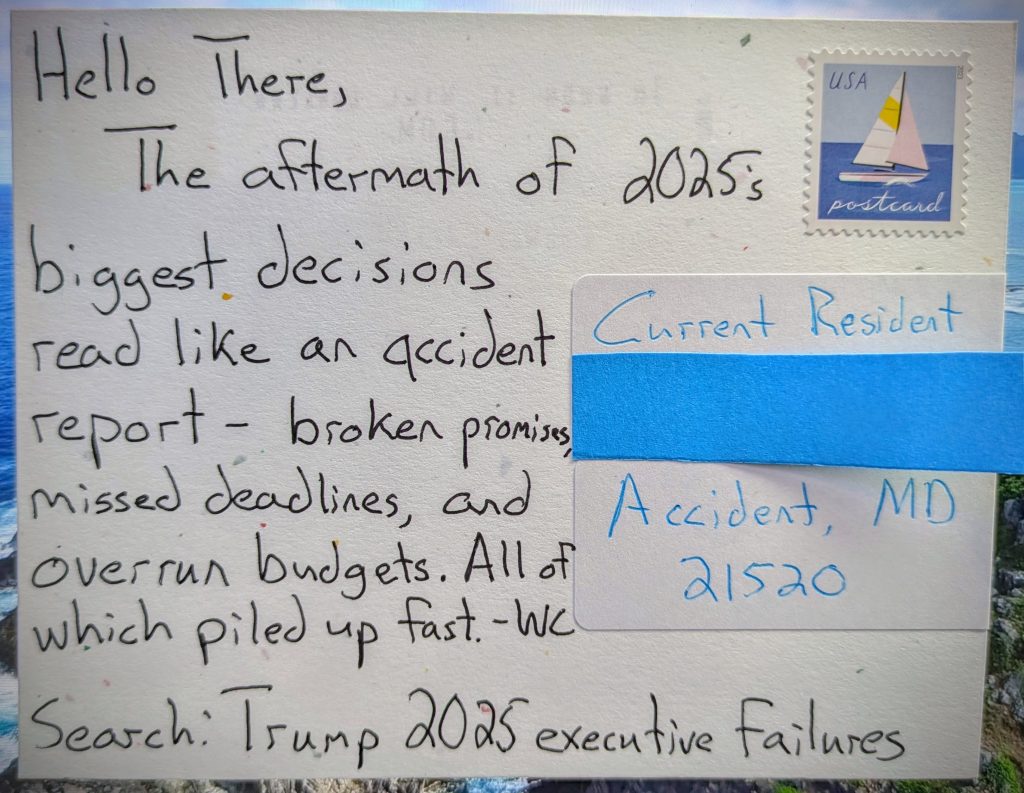
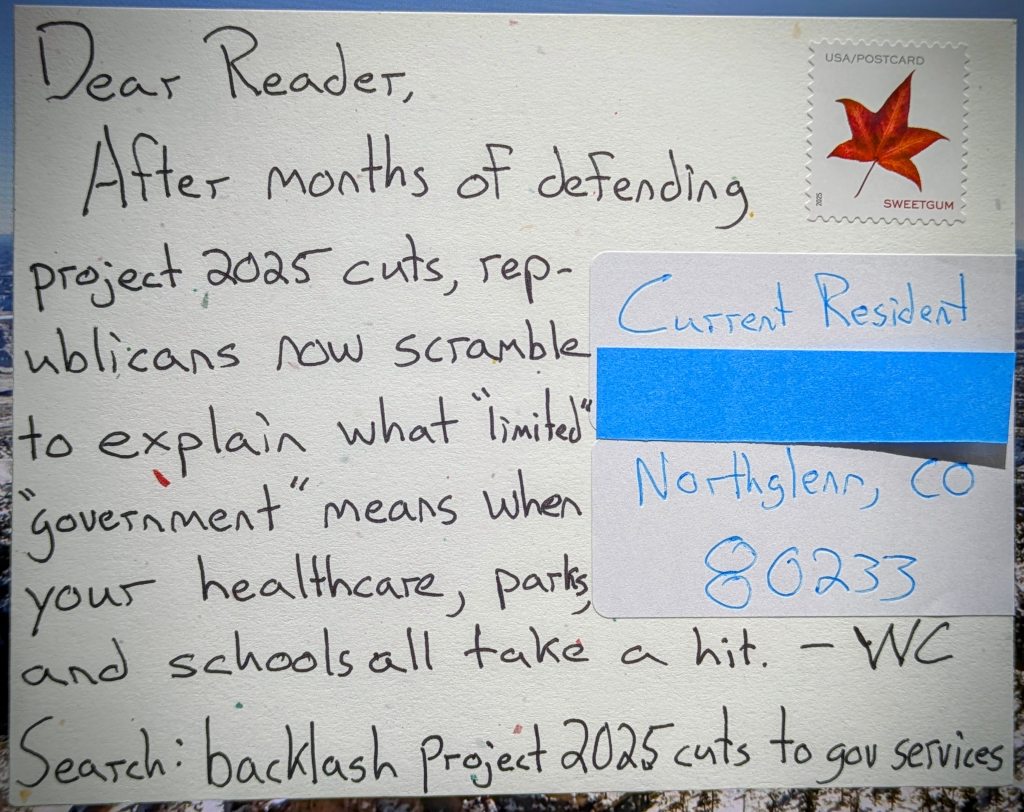
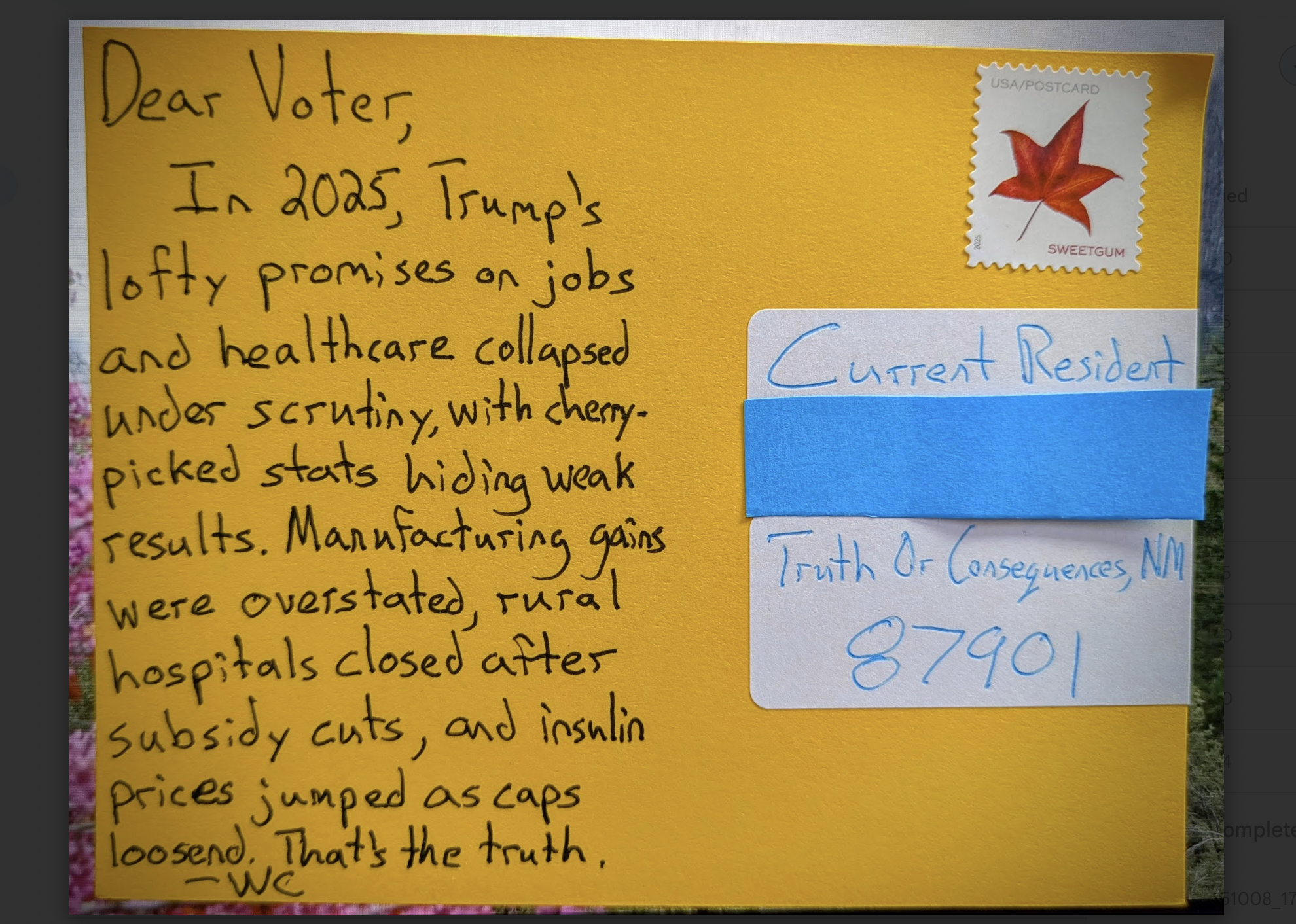
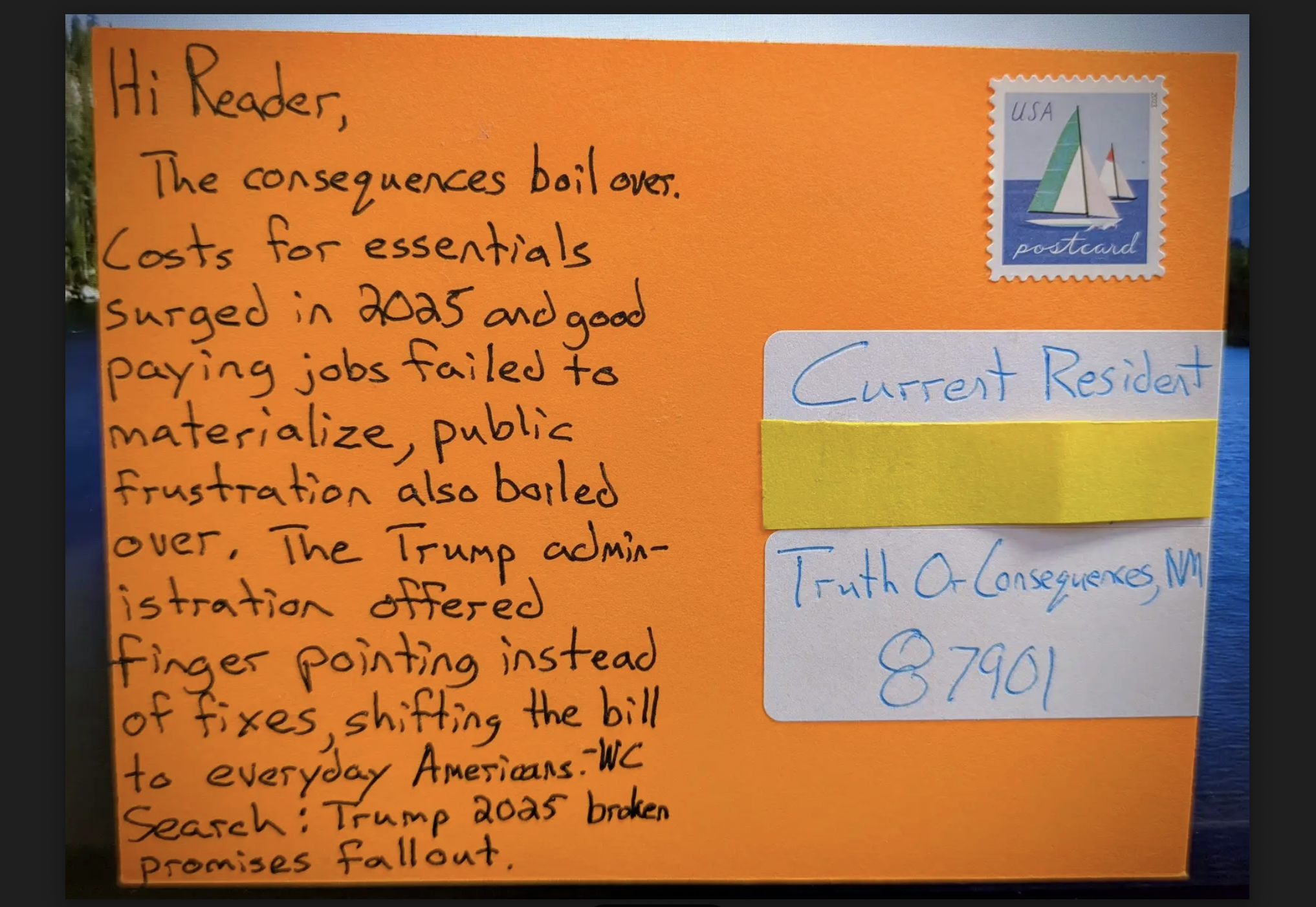
The Trump administration’s economic and healthcare pledges crumbled in 2025. The promised job growth and manufacturing revival were revealed as nothing more than falsehoods, built on selectively manipulated data. Factory hiring did not just slow; it reversed, hurting rural communities. Moreover, the easing of drug price controls caused essential medications like insulin to skyrocket in price. With costs outpacing wages, many families faced serious financial strain. Instead of addressing these challenges head-on, the administration chose to deflect blame, leaving ordinary Americans to shoulder the financial fallout.
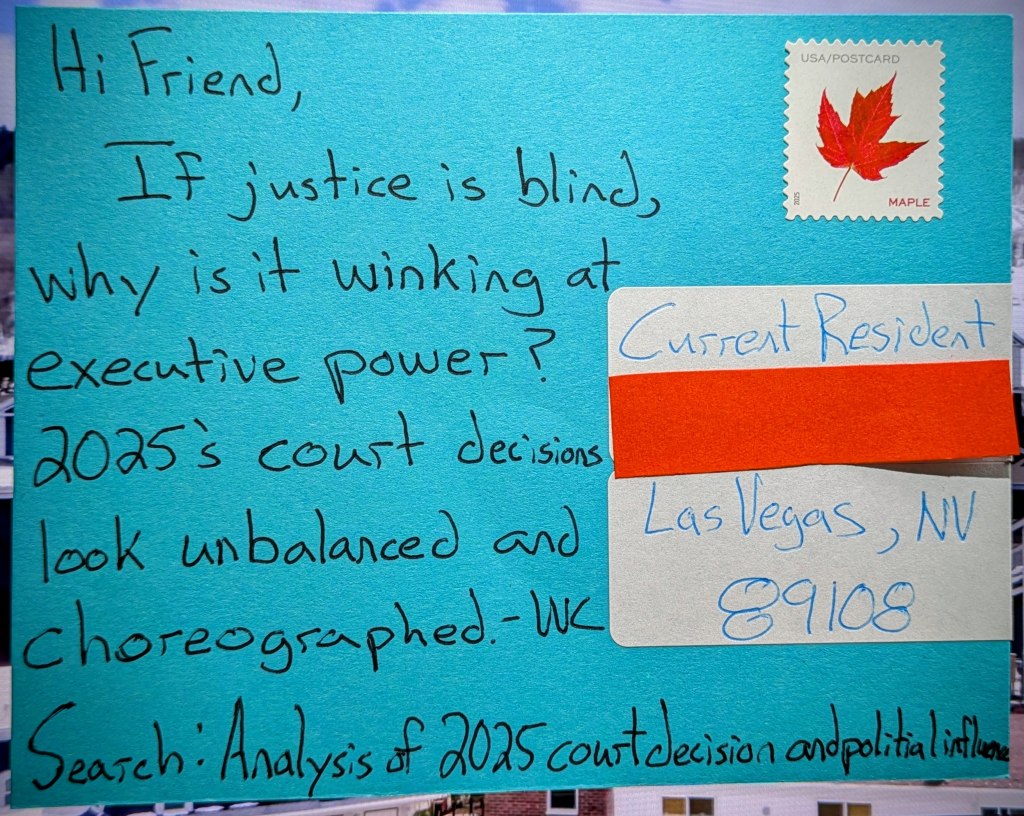
In 2025, several major court decisions reshaped how the judiciary interacts with President Trump’s administration and the limits of executive power. The U.S. Supreme Court ruled that federal judges went too far when they blocked enforcement of Trump’s executive order ending birthright citizenship nationwide, saying that courts can only stop a policy for the people directly affected rather than issuing countrywide injunctions. That decision narrowed how much judges can restrain executive actions, signaling a broader judicial shift toward giving the president more control over executive agencies. Other rulings on emergency measures involving immigration, environmental regulation, and education funds also supported stronger presidential discretion, reflecting how the courts are currently defining the boundaries of presidential authority and legal oversight.
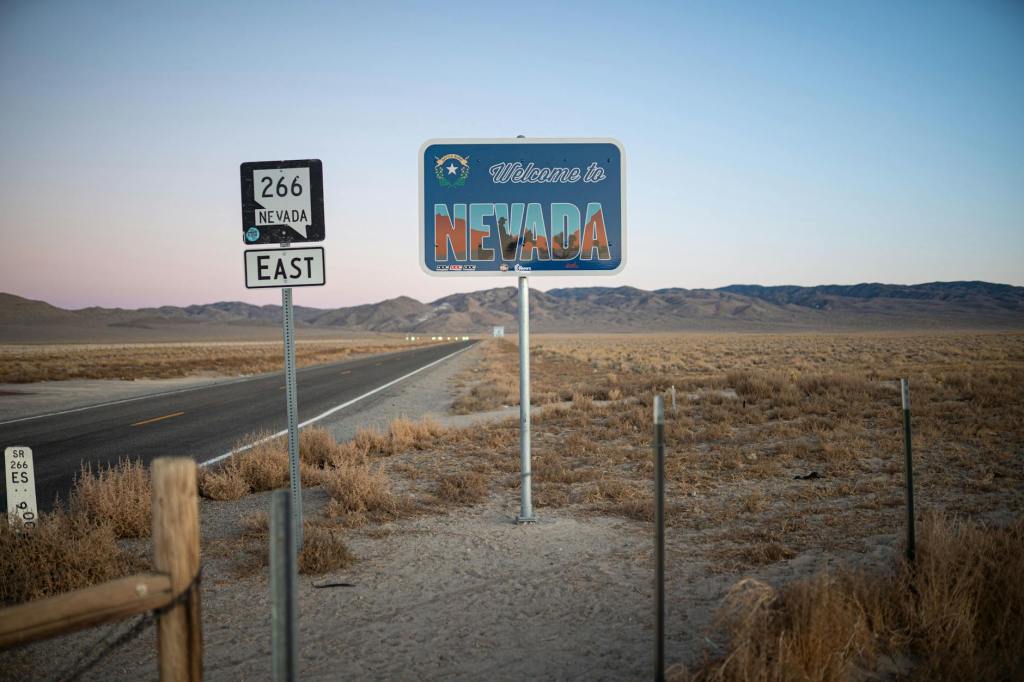
In Nevada, this national trend mirrored local tensions between the state judiciary and executive functions. The Nevada Supreme Court reaffirmed that the courts cannot intrude into prosecutorial decisions, which belong to the state’s executive branch — meaning judges cannot block or direct which cases prosecutors pursue. When Trump’s executive orders touched Nevada policy, such as pausing federal clean energy funds, state courts and officials, including Attorney General Aaron Ford, joined multi-state suits challenging them as unconstitutional uses of executive power. Together, these developments show how the courts—federal and state—still act as referees in the tug-of-war between the judicial and executive branches, but are increasingly cautious about completely overruling presidential actions unless they clearly violate constitutionall boundaries.
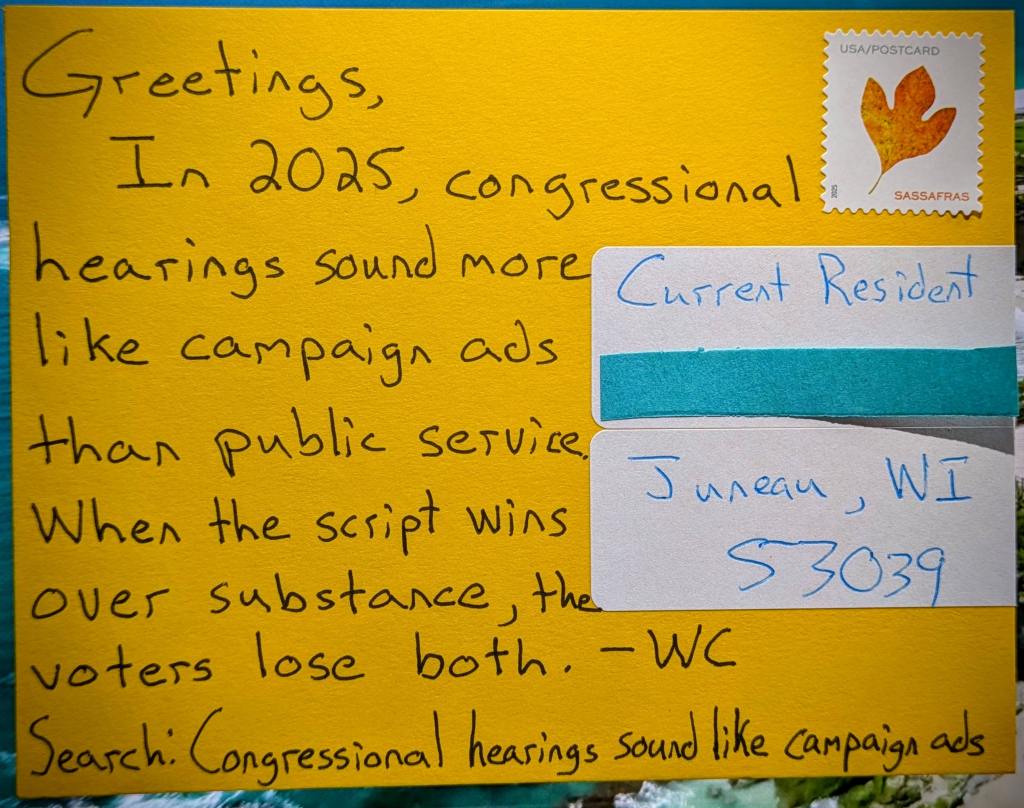
Congressional hearings have turned into mere spectacles for political grandstanding, with politicians delivering flashy, pre-written speeches to generate viral social media content rather than focus on serious legislative work. This preoccupation with “message politics” undermines the development of meaningful policy and erodes public trust in the government’s ability to tackle complex issues, as genuine inquiry is overshadowed by theatrical confrontations.
The Trump Administration’s policies are characterized by their unapologetic approach and a vigorous application of executive power to implement significant (often contentious) reforms. Among the most notable effects on everyday Americans are increased costs stemming from tariffs, reductions in government assistance for at-risk communities, and intensified political and social discord related to immigration and cultural matters.
Economists and major retailers continue to indicate that tariffs act as taxes on U.S. businesses and consumers, raising prices on imported goods. Forecasts reveal that tariffs will lower long-run GDP and wages, potentially causing significant lifetime losses for middle-income households. Additionally, the rapid implementation of tariffs has created policy uncertainty, discouraging business investment and hiring.
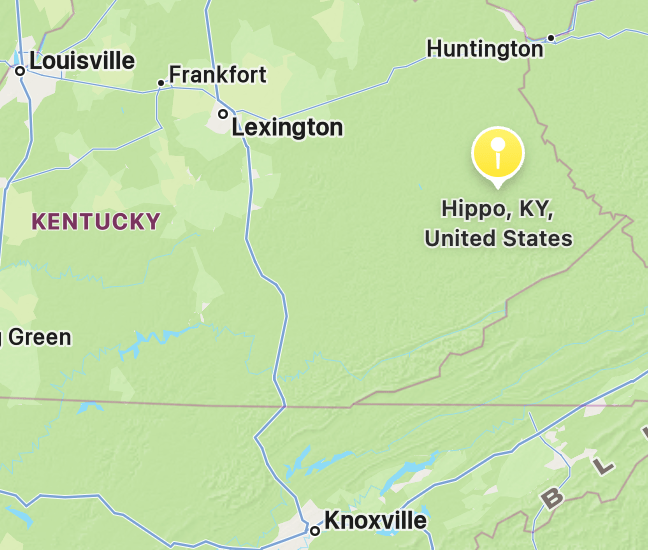
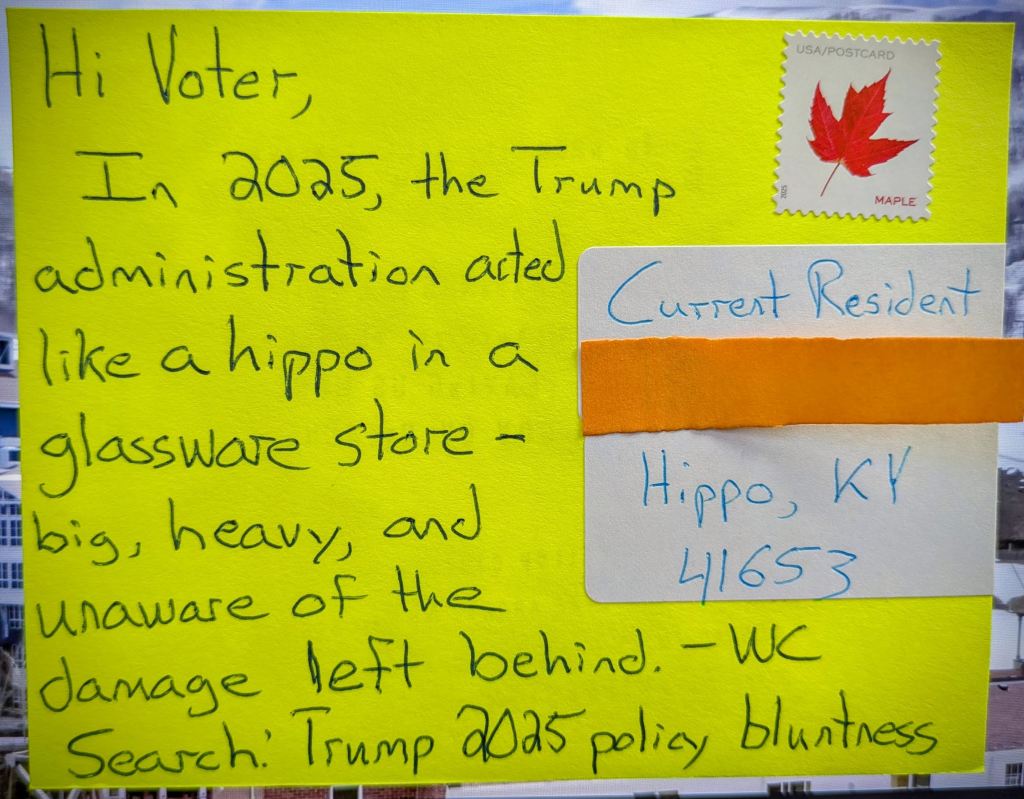
Hippo, Kentucky (and the surround areas) are likely to feel the significant effects of this administration’s blunt 2025 policies, particularly regarding healthcare, social programs, and rising costs. Proposed cuts to essential programs like Medicaid and SNAP threaten the region’s economic stability, especially given its high poverty rates. Local businesses will face financial setbacks, and increased tariffs will raise prices for essential goods, impacting household budgets. Additionally, cuts to the Appalachian Regional Commission could harm community projects and schools, leading to a double negative effect of rising costs and diminished social safety net programs.
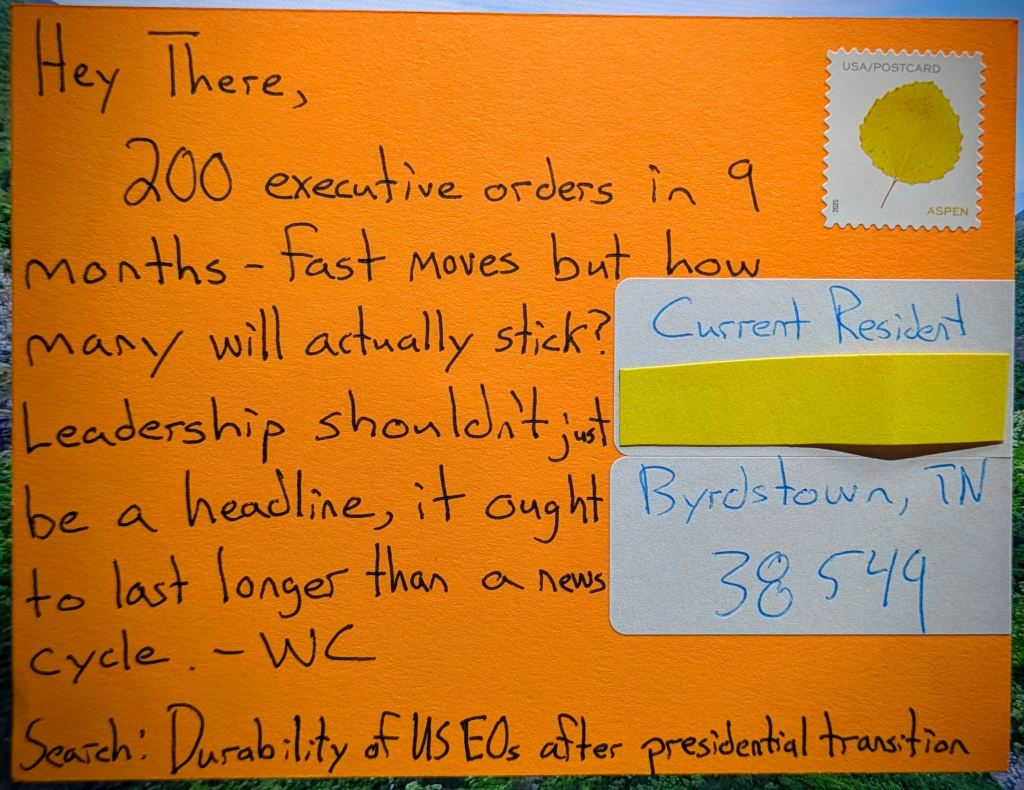
President Trump has unleashed a staggering number of executive orders—nearly 210 in just the first nine months of his second term—weaponizing executive action to bulldoze his agenda across numerous fronts. This relentless barrage circumvents Congress, and, such a frenzied pace, breeds chaos. Policy instability reigns supreme as future presidents could simply erase these orders, resulting in a jarring “pendulum effect” that swings wildly with each administration change.
The average American faces significant challenges due to policy uncertainty and disruptions to essential services caused by drastic actions such as deregulating, altering federal staffing, and cutting social programs. Critics highlight that the excessive use of executive orders concentrates power in the presidency, weakening the constitutional checks and balances and marginalizing Congress.
Trump’s 2025 labor rollbacks have stripped vital protections for workers, resulting in lower wages, reduced benefits, and heightened job insecurity. These changes allow employers to bypass wage laws, complicate access to unemployment insurance, and threaten job security. Industries – particularly mining and healthcare – face weakening bargaining power and increasing economic instability.
Residents of Last Chance, Idaho, are impacted by the 2025 labor rollbacks, as it affects their seasonal tourism, construction, and hospitality jobs. Lower wage standards and diminished protections lead to reduced pay and fewer benefits. These changes create economic uncertainty and increase the risk of financial hardship for working families and young workers.
President Trump’s 2025 agenda signifies a bold use of federal and military power, implementing strict deportations and policies that (while aimed at national security) pose challenges for vulnerable populations. This immigration enforcement approach has inevitably led to significant deportations, impacting community engagement and fostering a climate where free speech (especially among critics) is under pressure.
Residents of Bluffs, Illinois, are struggling in 2025 due to President Trump’s policies, which include rising costs, reduced state services, and job security worries. Tariffs are driving up prices, significantly impacting farmers and small businesses, while state budget cuts (linked to decreased federal funding) are undermining crucial programs like Medicaid and SNAP. The end of funding for the Solar for All program is causing utility costs to surge for families, and job losses stemming from federal workforce reductions are increasing anxiety among those who rely on government employment. Residents of Bluffs, Illinois are facing serious challenges in 2025 as a direct consequence of President Trump’s policies.
President Trump’s 2025 climate rollback policies significantly overturn the Biden administration’s climate measures by canceling executive orders, exiting the Paris Agreement, and asking the EPA to reconsider greenhouse gas regulations, primarily to boost fossil fuel production and reduce renewable energy investments.
The administration’s recent policy changes obstruct emission reduction efforts and impede the U.S.’s climate goals, increasing greenhouse gas emissions while cutting funding for clean energy and dismantling crucial environmental protections.
For the average American, this means:
Increased air pollution and associated health risks, including higher rates of respiratory and cancer-related diseases.
Higher economic costs in the long term due to increased damage from climate-related disasters such as more intense storms, wildfires, heatwaves, and floods.
Reduced support for clean energy jobs and infrastructure, leading to economic setbacks in the growing green energy sector.
Greater vulnerability to climate impacts due to cuts or elimination of federal disaster preparedness and response programs like FEMA.
Loss of U.S. leadership in the global clean energy transition, ceding economic and technological ground to countries like China.
The Trump administration’s budget cuts, totaling over $500 million in federal funding for clean energy projects in Colorado, have significantly disrupted grants for rural communities and small businesses. This has halted essential energy initiatives and impeded Colorado’s transition to renewable energy, resulting in increased energy costs, fewer affordable options, and heightened health risks due to pollution. The lack of federal support is obstructing Colorado’s critical infrastructure upgrades.
While the rollbacks cater to short-term fossil fuel interests, it significantly jeopardizes public health, environmental quality, economic stability, and climate resilience for Americans. Polls show that a strong majority of Americans resolutely oppose these rollbacks and firmly advocate for ongoing investment in clean energy and climate action.
The Trump 2025 administration is noted for its unprecedented executive actions. This has led to significant economic disruption and changes in governance that have a serious impacts to the daily lives of average Americans.
Americans are experiencing economic and social challenges due to the government shutdown. Experts are predicting increased insurance premiums and a historical decline in GDP.
A tariff system from President Trump in 2025 may significantly impact middle-income households and consumer prices, potentially resulting in job losses and less investment.
Additionally, the administration has restructured federal agencies and policies, particularly affecting those aligned with the Democratic Party. The administration has quickly and drastically changed immigration, deregulation, and law enforcement norms.
The average person in No Name, Colorado faces higher grocery and household costs due to the Trump administration’s tariffs, which increases prices on everyday goods significantly. Local families will struggle with rising health insurance premiums and reduced access to Medicaid, as new federal laws have raised annual premiums for many and cut Medicaid funding. Rural residents are expected experience worse health outcomes due to hospital closures. Home construction will slow because building material costs have risen over 4%, making it harder for rural residents to find affordable housing, leading to higher rent or mortgage payments. Small businesses in rural Colorado may need to cut jobs or close due to increased supply costs and economic uncertainty. Cuts to SNAP (food assistance) and additional regulations may leave tens of thousands without food support, making it difficult for low-income households to manage rising food prices.
Repetitive political speeches, such as those by President Trump, can harm the average American by affecting public understanding..
Repetition makes statements sound more credible, a phenomenon called the “truth effect.” When political leaders repeat claims—even if they are misleading or inaccurate—people are more likely to believe them simply due to familiarity. This can distort public understanding of important facts and issues, causing average citizens to shape their opinions based on repeated, simplified messages.
Repetitive messaging simplifies complex political topics, leading to polarization and stronger partisan attitudes, causing public debate to be more divisive and less informative. The average American may face a less informed public, polarized friends/family, and are at risk of being influenced by misleading claims.
The good news is that research shows excessive repetition, especially of negative statements, eventually reduces the perceived credibility of both the message and the speaker, leaving people tired or apathetic.