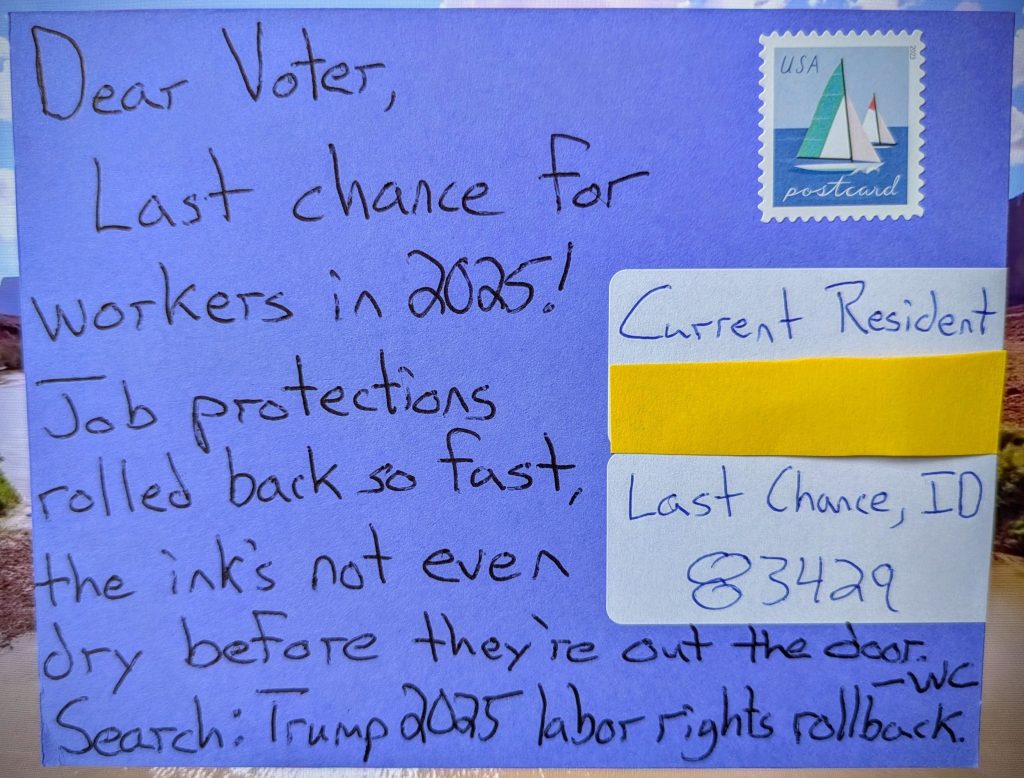
Trump’s 2025 labor rollbacks have stripped vital protections for workers, resulting in lower wages, reduced benefits, and heightened job insecurity. These changes allow employers to bypass wage laws, complicate access to unemployment insurance, and threaten job security. Industries – particularly mining and healthcare – face weakening bargaining power and increasing economic instability.
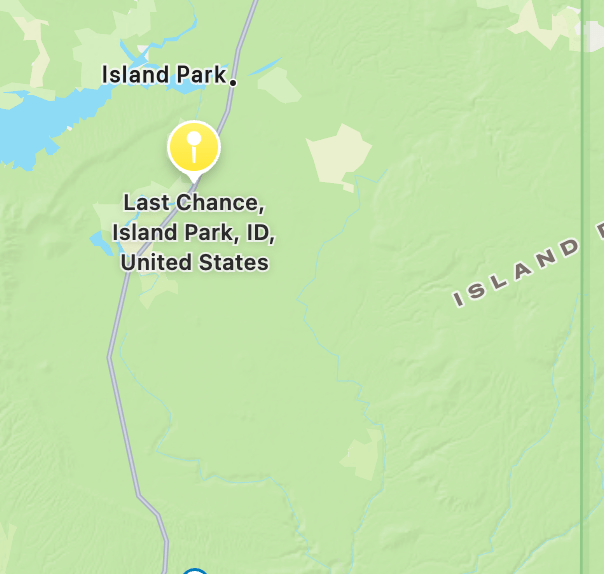
Residents of Last Chance, Idaho, are impacted by the 2025 labor rollbacks, as it affects their seasonal tourism, construction, and hospitality jobs. Lower wage standards and diminished protections lead to reduced pay and fewer benefits. These changes create economic uncertainty and increase the risk of financial hardship for working families and young workers.
President Trump’s 2025 agenda signifies a bold use of federal and military power, implementing strict deportations and policies that (while aimed at national security) pose challenges for vulnerable populations. This immigration enforcement approach has inevitably led to significant deportations, impacting community engagement and fostering a climate where free speech (especially among critics) is under pressure.
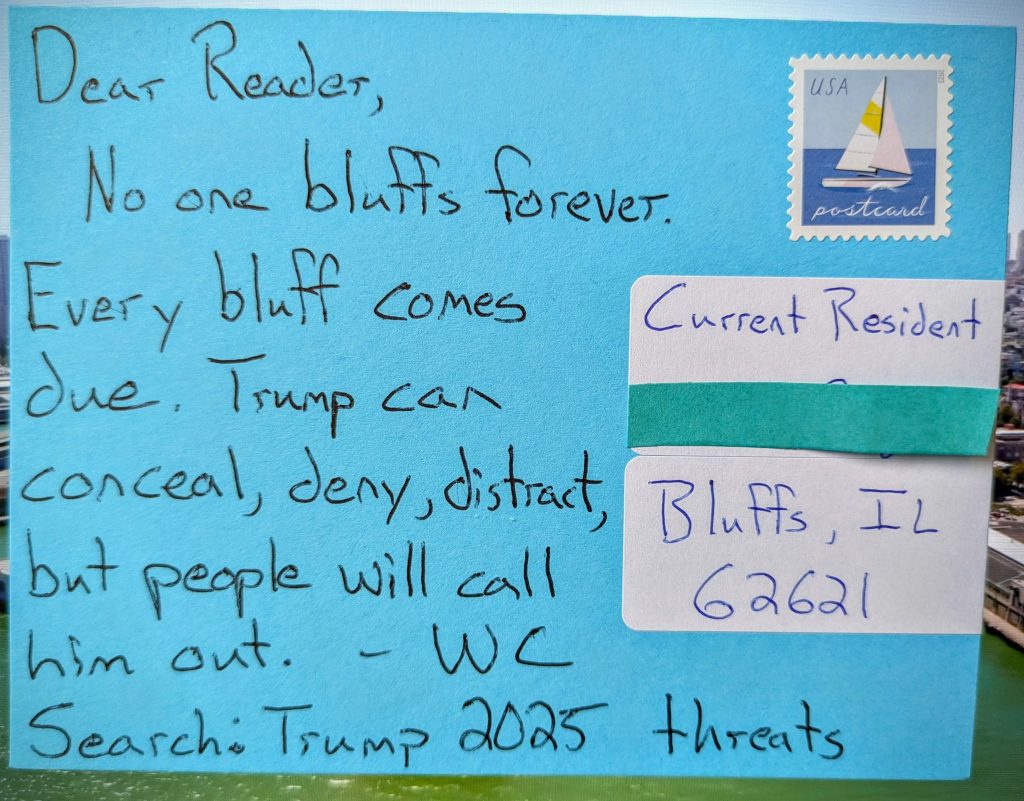
Residents of Bluffs, Illinois, are struggling in 2025 due to President Trump’s policies, which include rising costs, reduced state services, and job security worries. Tariffs are driving up prices, significantly impacting farmers and small businesses, while state budget cuts (linked to decreased federal funding) are undermining crucial programs like Medicaid and SNAP. The end of funding for the Solar for All program is causing utility costs to surge for families, and job losses stemming from federal workforce reductions are increasing anxiety among those who rely on government employment. Residents of Bluffs, Illinois are facing serious challenges in 2025 as a direct consequence of President Trump’s policies.
President Trump’s 2025 climate rollback policies significantly overturn the Biden administration’s climate measures by canceling executive orders, exiting the Paris Agreement, and asking the EPA to reconsider greenhouse gas regulations, primarily to boost fossil fuel production and reduce renewable energy investments.
The administration’s recent policy changes obstruct emission reduction efforts and impede the U.S.’s climate goals, increasing greenhouse gas emissions while cutting funding for clean energy and dismantling crucial environmental protections.
For the average American, this means:
Increased air pollution and associated health risks, including higher rates of respiratory and cancer-related diseases.
Higher economic costs in the long term due to increased damage from climate-related disasters such as more intense storms, wildfires, heatwaves, and floods.
Reduced support for clean energy jobs and infrastructure, leading to economic setbacks in the growing green energy sector.
Greater vulnerability to climate impacts due to cuts or elimination of federal disaster preparedness and response programs like FEMA.
Loss of U.S. leadership in the global clean energy transition, ceding economic and technological ground to countries like China.
The Trump administration’s budget cuts, totaling over $500 million in federal funding for clean energy projects in Colorado, have significantly disrupted grants for rural communities and small businesses. This has halted essential energy initiatives and impeded Colorado’s transition to renewable energy, resulting in increased energy costs, fewer affordable options, and heightened health risks due to pollution. The lack of federal support is obstructing Colorado’s critical infrastructure upgrades.
While the rollbacks cater to short-term fossil fuel interests, it significantly jeopardizes public health, environmental quality, economic stability, and climate resilience for Americans. Polls show that a strong majority of Americans resolutely oppose these rollbacks and firmly advocate for ongoing investment in clean energy and climate action.
The Trump 2025 administration is noted for its unprecedented executive actions. This has led to significant economic disruption and changes in governance that have a serious impacts to the daily lives of average Americans.
Americans are experiencing economic and social challenges due to the government shutdown. Experts are predicting increased insurance premiums and a historical decline in GDP.
A tariff system from President Trump in 2025 may significantly impact middle-income households and consumer prices, potentially resulting in job losses and less investment.
Additionally, the administration has restructured federal agencies and policies, particularly affecting those aligned with the Democratic Party. The administration has quickly and drastically changed immigration, deregulation, and law enforcement norms.
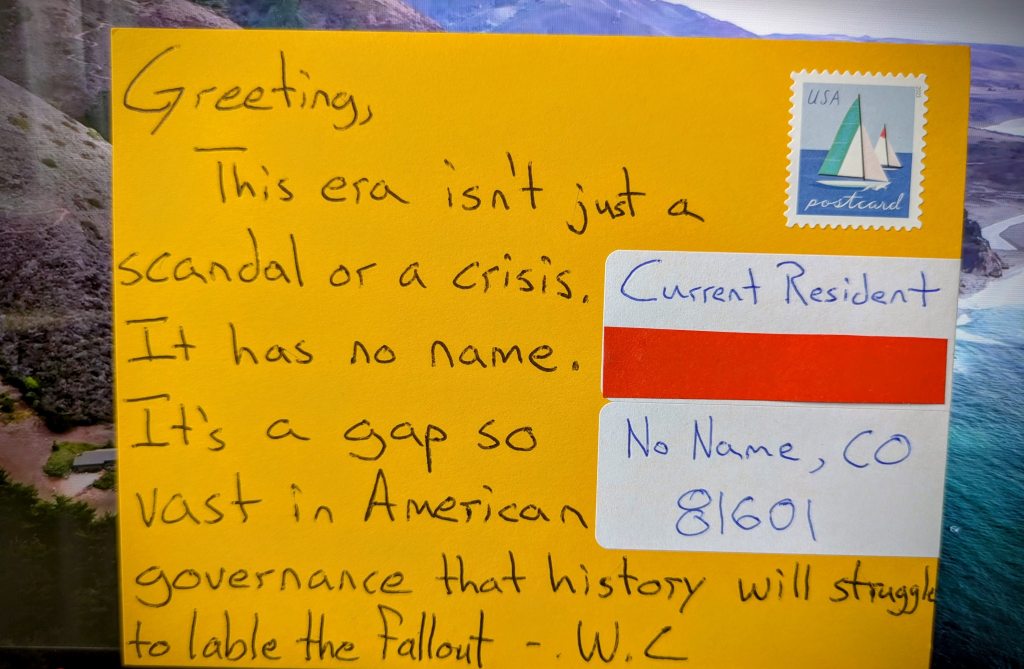
The average person in No Name, Colorado faces higher grocery and household costs due to the Trump administration’s tariffs, which increases prices on everyday goods significantly. Local families will struggle with rising health insurance premiums and reduced access to Medicaid, as new federal laws have raised annual premiums for many and cut Medicaid funding. Rural residents are expected experience worse health outcomes due to hospital closures. Home construction will slow because building material costs have risen over 4%, making it harder for rural residents to find affordable housing, leading to higher rent or mortgage payments. Small businesses in rural Colorado may need to cut jobs or close due to increased supply costs and economic uncertainty. Cuts to SNAP (food assistance) and additional regulations may leave tens of thousands without food support, making it difficult for low-income households to manage rising food prices.
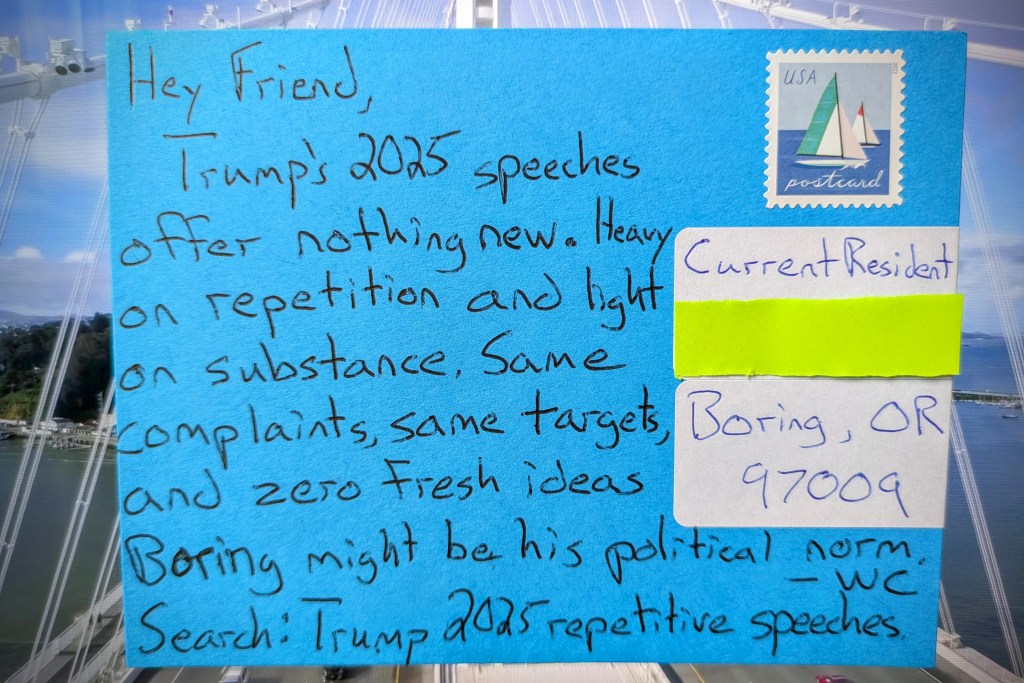
Repetitive political speeches, such as those by President Trump, can harm the average American by affecting public understanding..
Repetition makes statements sound more credible, a phenomenon called the “truth effect.” When political leaders repeat claims—even if they are misleading or inaccurate—people are more likely to believe them simply due to familiarity. This can distort public understanding of important facts and issues, causing average citizens to shape their opinions based on repeated, simplified messages.
Repetitive messaging simplifies complex political topics, leading to polarization and stronger partisan attitudes, causing public debate to be more divisive and less informative. The average American may face a less informed public, polarized friends/family, and are at risk of being influenced by misleading claims.
The good news is that research shows excessive repetition, especially of negative statements, eventually reduces the perceived credibility of both the message and the speaker, leaving people tired or apathetic.
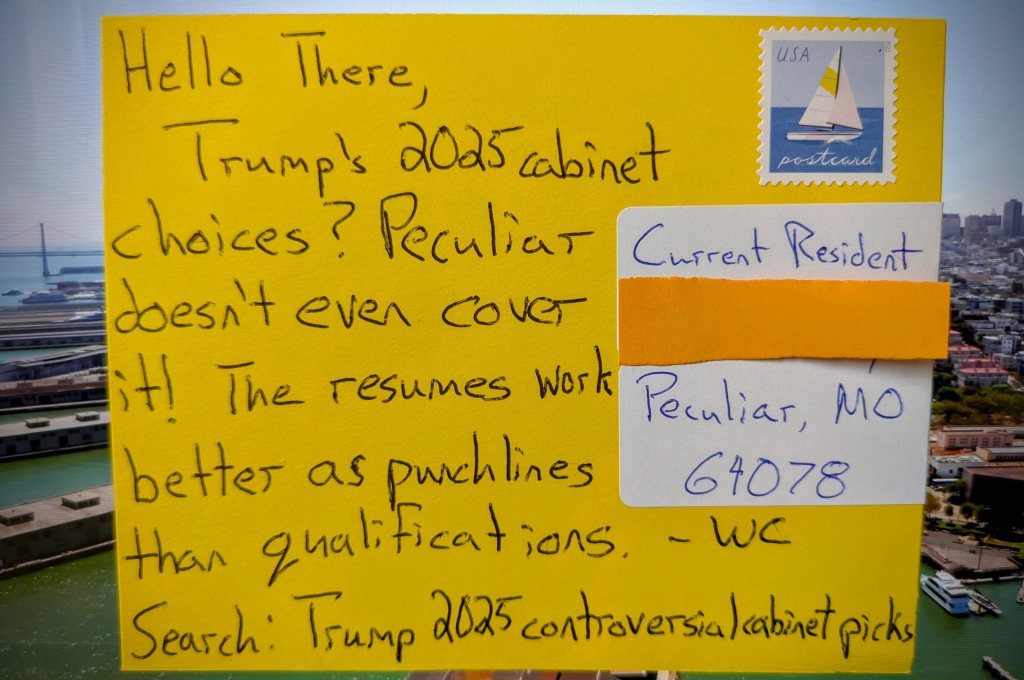
Trump’s 2025 cabinet picks have made a lot of news—some people support them, while others believe he’s choosing unconventional candidates.
Tulsi Gabbard was appointed as Director of National Intelligence. Once a Democrat, some senators are not happy, stating she has no experience in intelligence. Pete Hegseth, a former Fox host, is now running Defense. If you ever wanted to know what the Pentagon would look like under cable news management, here we are. Marco Rubio slid through as Secretary of State. The Senate unexpectedly confirmed him without much fuss. Russ Vought is the new Office of Management and Budget boss. He’s big on “Project 2025,” which is this overhaul plan. He wants to fire a ton of civil servants, shrink the “deep state,” and basically give the president all the levers. Even some Republicans took a step back when they saw the fine print. And there’s the “Project 2025” crew—like Brendan Carr to head the FCC and John Ratcliffe at CIA.
Loyalty was the main hiring requirement. Not “have you unmatched leadership experience” but “will you absolutely go to bat for Trump?” Many have links to “Project 2025”—a game plan for remaking the executive branch, getting rid of diversity programs, and centralizing power to the president.
Supporters love the shake-up. For critics, it’s like every “disruptor” in America running the store at once. That’s Trump’s approach—big swing, big noise, and everyone’s buckled up whether they ordered this ride or not.
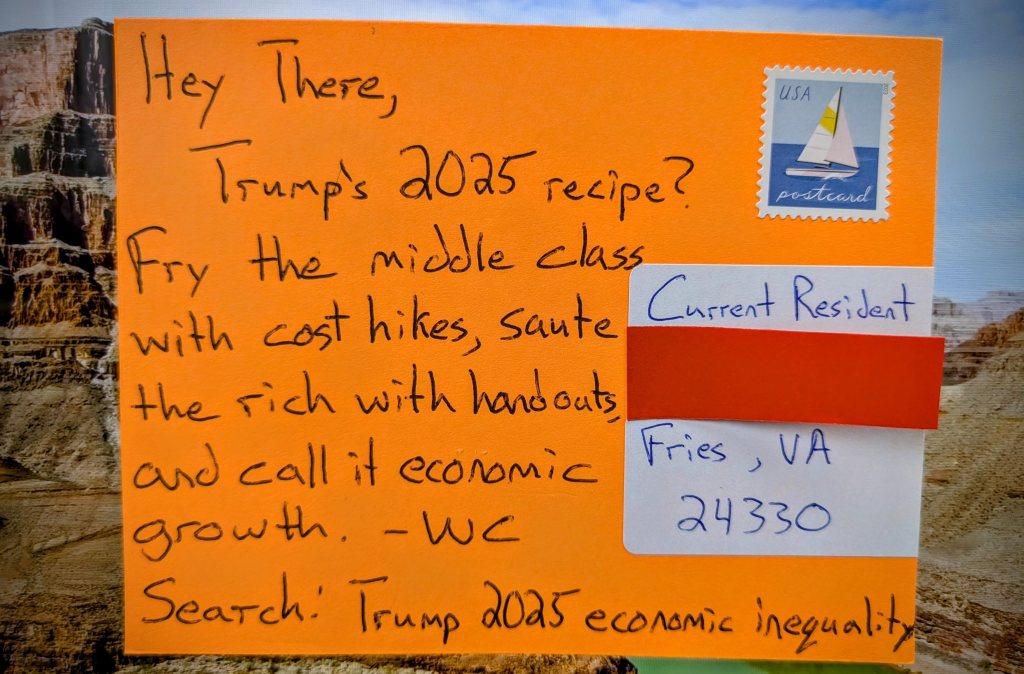
President Trump’s 2025 economic policies have worsened economic inequality (particularly affecting low-income families and communities of color) by rolling back social safety nets like Medicaid and SNAP. His executive orders have weakened protections for racial and economic justice, increased economic insecurity, and coincided with a slowing economy facing rising recession risks.
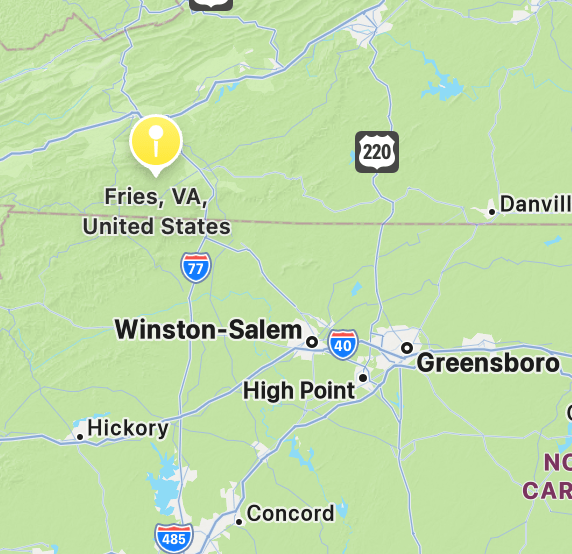
Federal policies in rural areas like Fries, VA, could intensify economic difficulties by limiting access to healthcare, nutrition assistance, and employment protections. Tariffs on imports increase costs for struggling families, ultimately creating a challenging environment for small communities with scarce resources.
Trump’s 2025 economic approach is characterized by policies that favor wealthy households and corporations, while cutting programs and protections that support low-income and rural populations. The impacts include greater vulnerability in economic downturns, higher living costs, and diminished opportunities for economic mobility in places dependent on federal assistance and affordable goods.
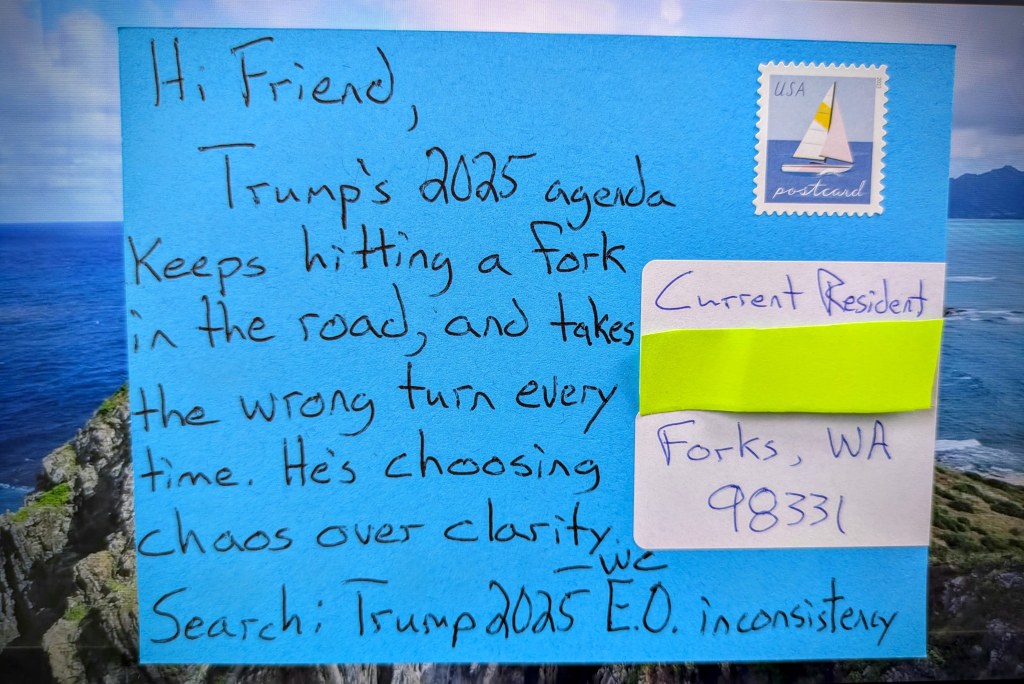
President Trump’s 2025 executive orders include controversial changes affecting environmental policies and land management, creating implementation challenges.
In rural Forks, Washington, there are worries about an order that opens public lands, including forests, to development by removing protections like the Roadless Area Conservation Rule, leading to strong opposition due to increased wildfire risks and environmental damage. Another order seeks to improve wildfire prevention through collaboration among federal, state, and tribal groups, important for areas prone to wildfires.
Additionally, some actions challenge local climate laws, weakening state protections needed for sustainable development. Economic orders could also indirectly affect local economies.
Overall, these inconsistencies in Trump’s orders create uncertainties for rural communities like Forks, WA.
President Trump has fired important economic officials, like the head of the Bureau of Labor Statistics, who’s in charge of tracking job numbers. Trump said the numbers were unfair to him but there’s no proof of that. Right after a weak jobs report came out, he fired the official like a coward. He also tried to remove a Federal Reserve governor, which caused legal headaches because those positions have protections.
These actions shakes trust in the government’s economic reports, which everyone relies on to understand if the economy is doing well. When people don’t trust those numbers, businesses get cautious, hiring slows down, and it becomes harder for people to make good choices about their jobs and money. Plus, tariffs and trade problems are already causing prices to go up and job losses in some industries. So adding this confusion around economic data just makes things tougher for everyday Americans.
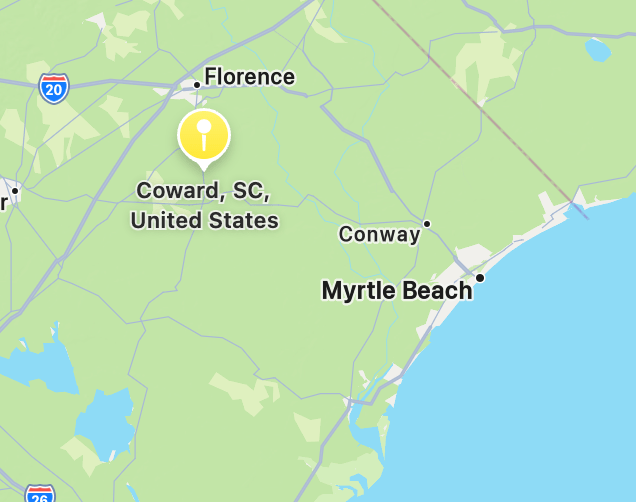
The impact of Trump’s 2025 firing of economic officials and tariffs on Coward, South Carolina, mainly affects the state’s manufacturing and trade. Coward is a small town reliant on exports like cars and farm products. South Carolina exports billions in these goods, primarily trading with countries such as Canada, China, and Germany.
Bottom line: firing these officials makes the economy feel less stable and confuses people who just want to know if they can keep their jobs and pay their bills. It’s a shaky situation that adds uncertainty to already difficult economic times.
The Trump 2025 administration has been a disaster for the average person. Massive new tariffs on imports mean it’s you who’s paying, not foreign companies. Economists say these tariffs could cost the typical American household about $3,800 a year. Health and education protections are under attack too. The Affordable Care Act (ACA) is being rolled back, making things worse for those with pre-existing conditions. And the talk of dismantling the Department of Education, which manages $1.6 trillion in student loans, creates uncertainty for young borrowers. Then there’s the administrative meltdown of purging 300,000 federal workers under the guise of “efficiency.” That leads to slower services and less oversight, making government less competent exactly when people need it to be. The chaos isn’t just a headline. It’s why everything feels a bit harder and more expensive.
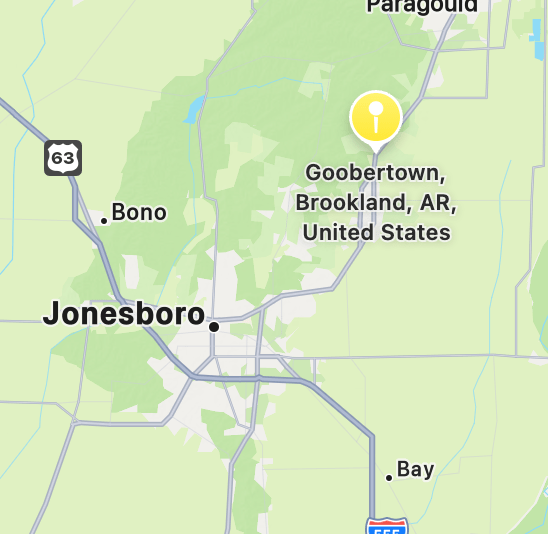
Skyrocketing input costs, trade war tariffs, and slashed federal support have led to generational farms collapsing. Many Arkansas farmers are facing bankruptcy and are pleading for immediate government aid to survive this year. The delayed aid promised by the administration is not arriving soon enough, risking the loss of a third of Arkansas farms. The agricultural collapse threatens not only farmers but local economies and food supply chains as well.








 T W I W C