[Outgoing Mail]
Oct 28, 2025
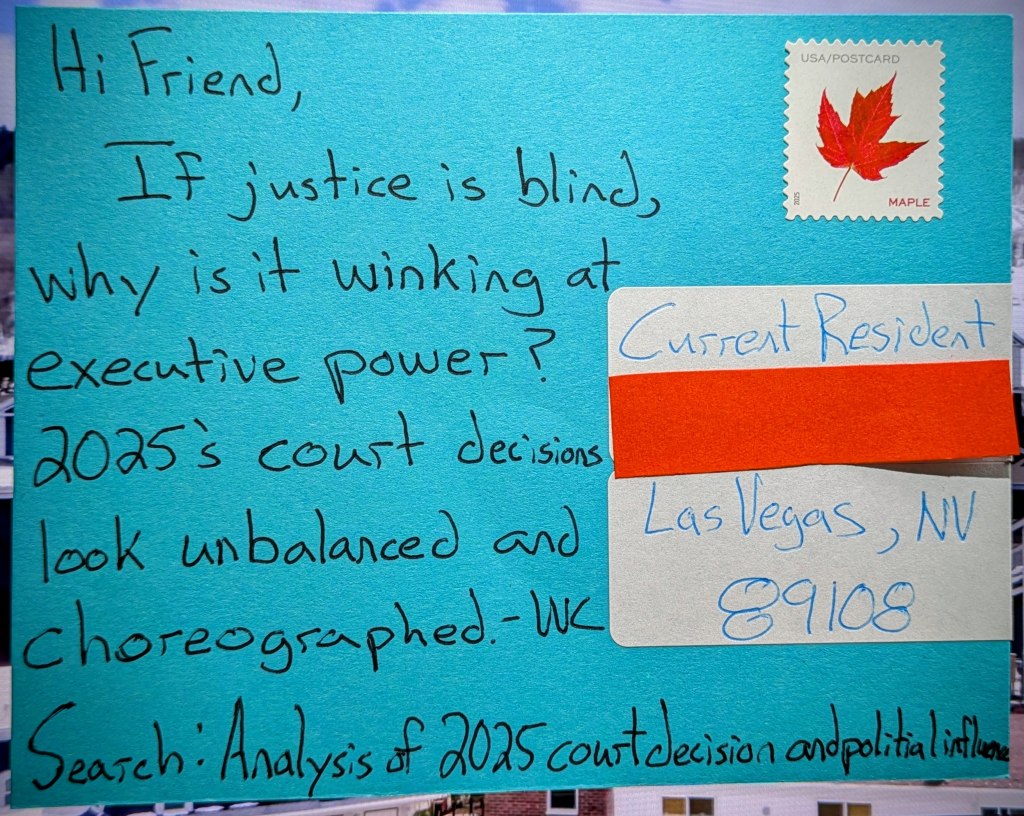
In 2025, several major court decisions reshaped how the judiciary interacts with President Trump’s administration and the limits of executive power. The U.S. Supreme Court ruled that federal judges went too far when they blocked enforcement of Trump’s executive order ending birthright citizenship nationwide, saying that courts can only stop a policy for the people directly affected rather than issuing countrywide injunctions. That decision narrowed how much judges can restrain executive actions, signaling a broader judicial shift toward giving the president more control over executive agencies. Other rulings on emergency measures involving immigration, environmental regulation, and education funds also supported stronger presidential discretion, reflecting how the courts are currently defining the boundaries of presidential authority and legal oversight.
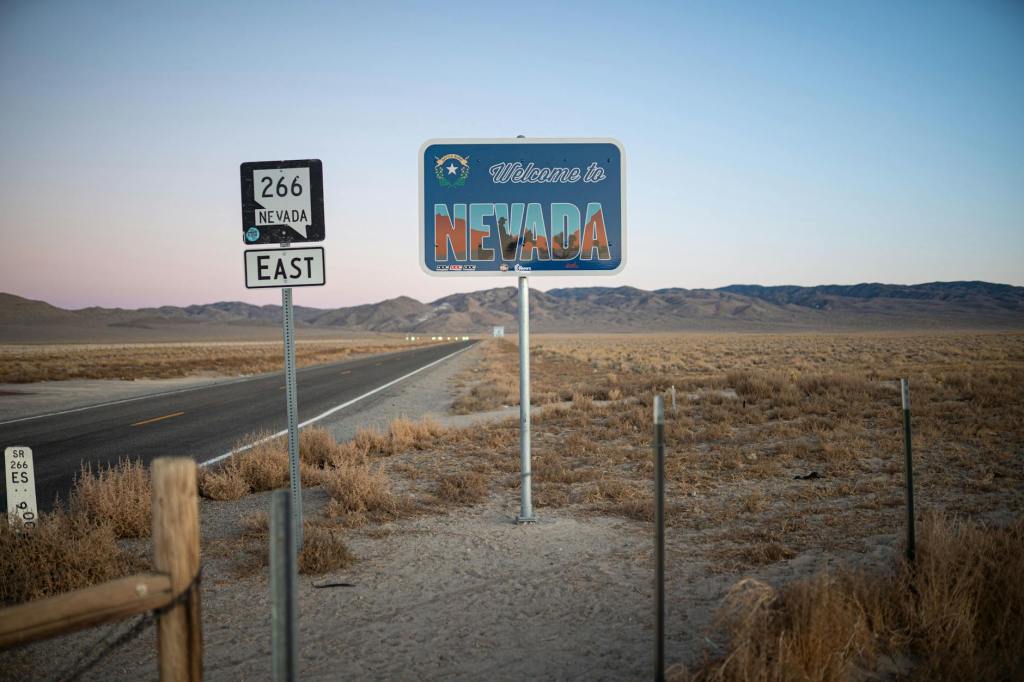
In Nevada, this national trend mirrored local tensions between the state judiciary and executive functions. The Nevada Supreme Court reaffirmed that the courts cannot intrude into prosecutorial decisions, which belong to the state’s executive branch — meaning judges cannot block or direct which cases prosecutors pursue. When Trump’s executive orders touched Nevada policy, such as pausing federal clean energy funds, state courts and officials, including Attorney General Aaron Ford, joined multi-state suits challenging them as unconstitutional uses of executive power. Together, these developments show how the courts—federal and state—still act as referees in the tug-of-war between the judicial and executive branches, but are increasingly cautious about completely overruling presidential actions unless they clearly violate constitutionall boundaries.
SOURCES
https://www.law.columbia.edu/news/archive/columbia-law-experts-2025-supreme-court-rulings
 T W I W C